Pokémon cards, read like a market.
Clear, data-grounded writing on Japanese and English card prices, grading, populations and set history — the same numbers that power the terminal, explained.
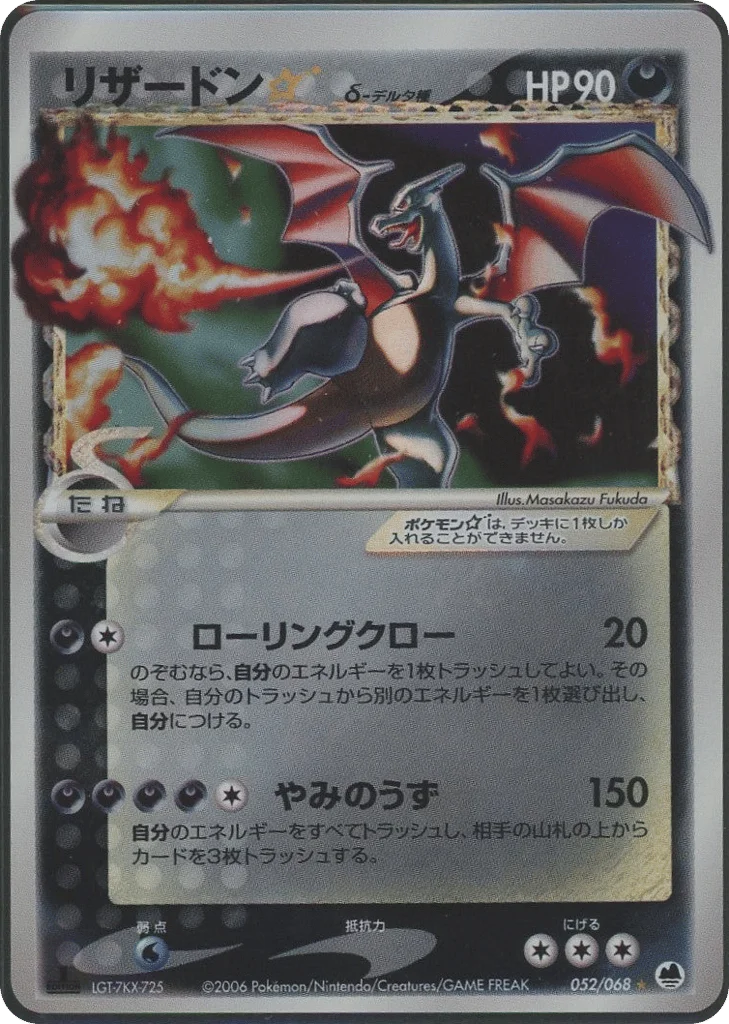

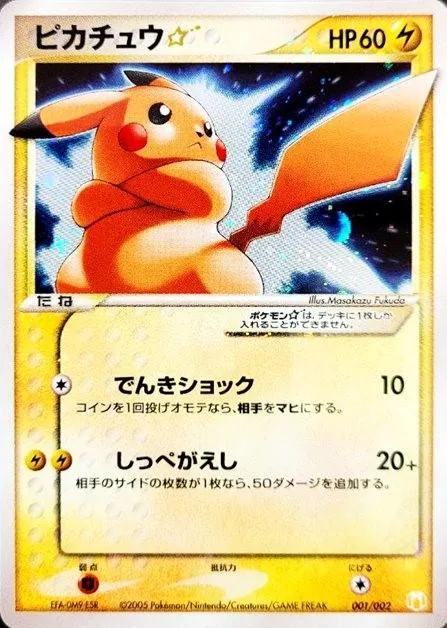
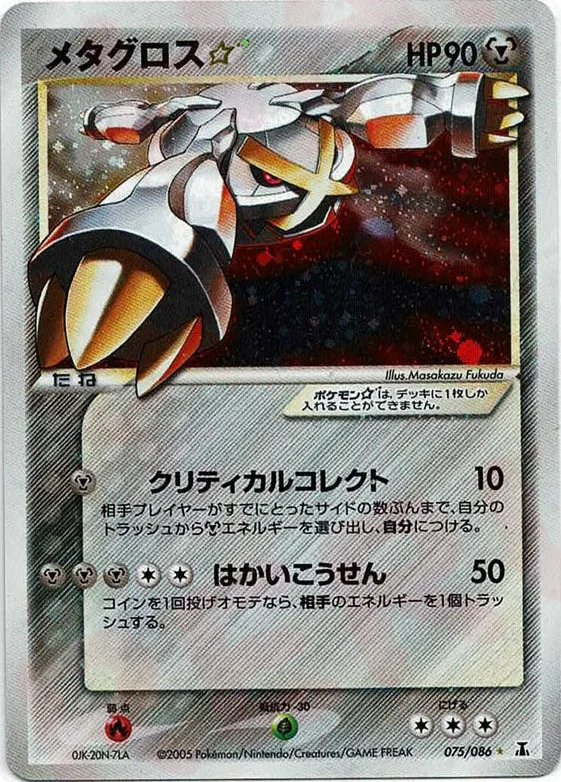
Gold Star Pokémon Cards Explained: The EX Era’s Grails
Gold Star cards show a shiny Pokémon, a gold star where the rarity sits, and were pulled about once every two booster boxes. Every English one was drawn by a single artist. Here’s the full story.
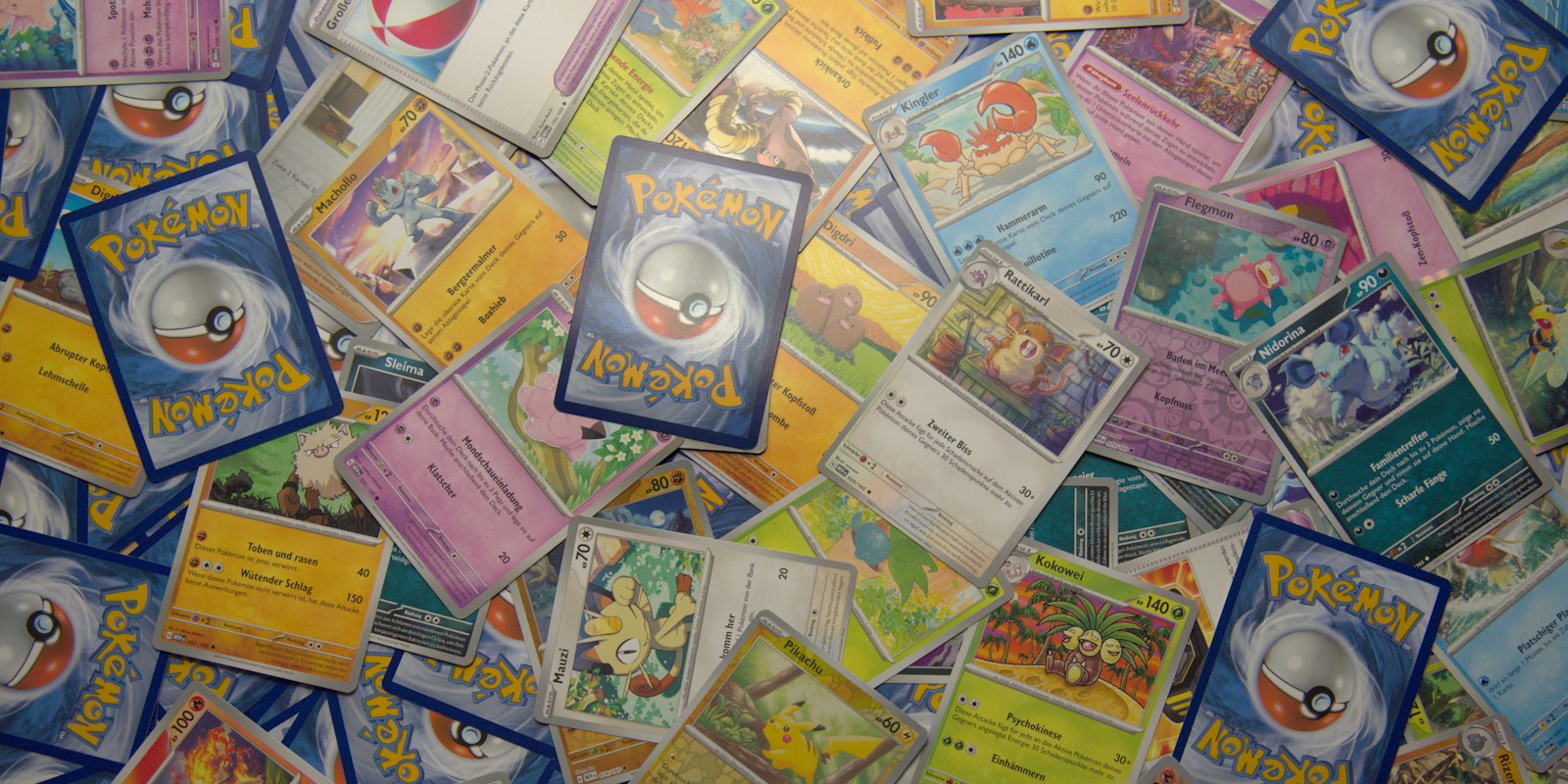
Vintage vs Modern Pokémon Cards: Which Is the Better Investment?
Vintage offers fixed supply and nostalgia; modern offers liquidity and fresh art. They’re two different games — scarcity vs momentum. Here’s how to weigh them, and the risk hiding in each.
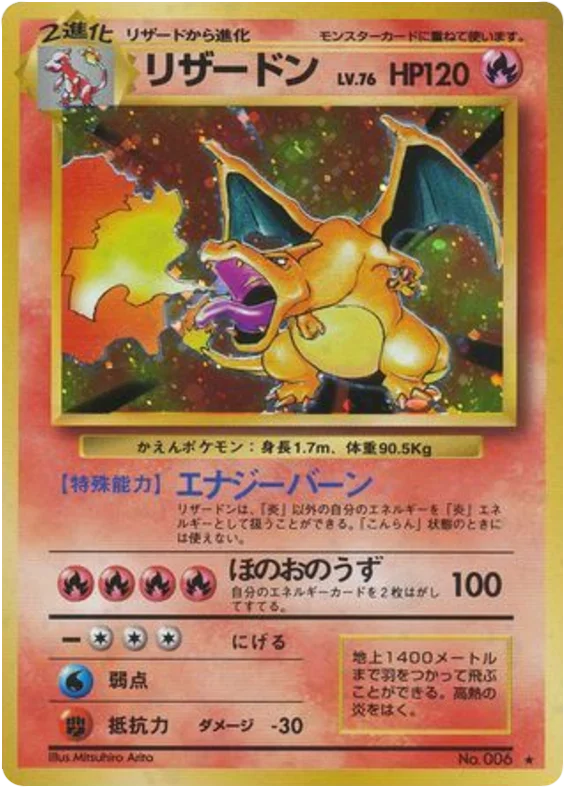
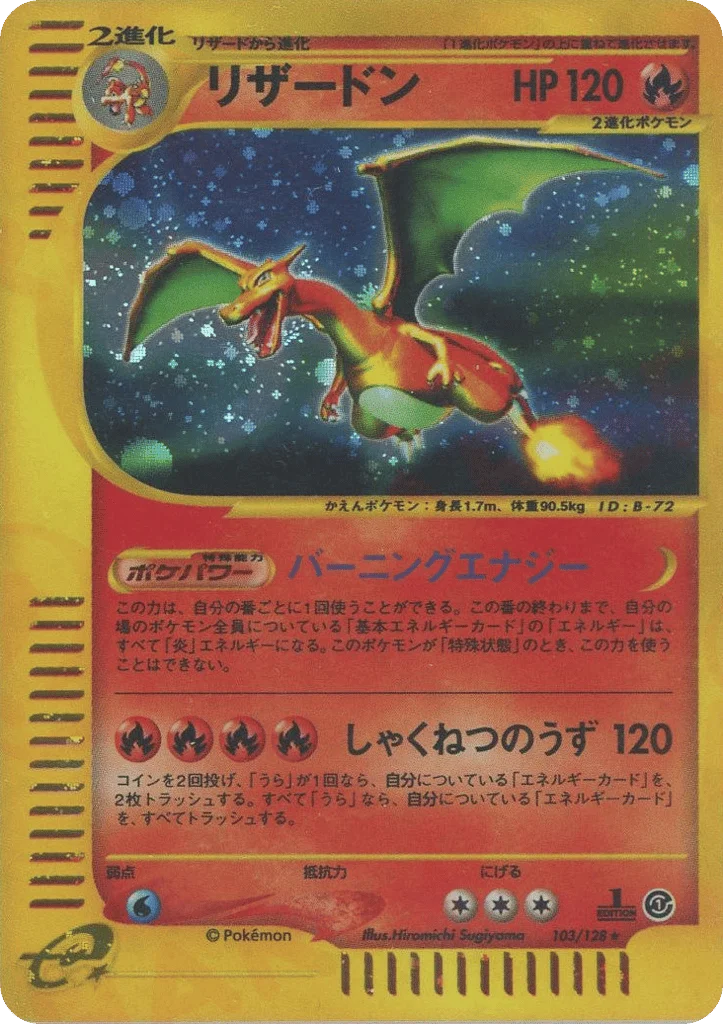
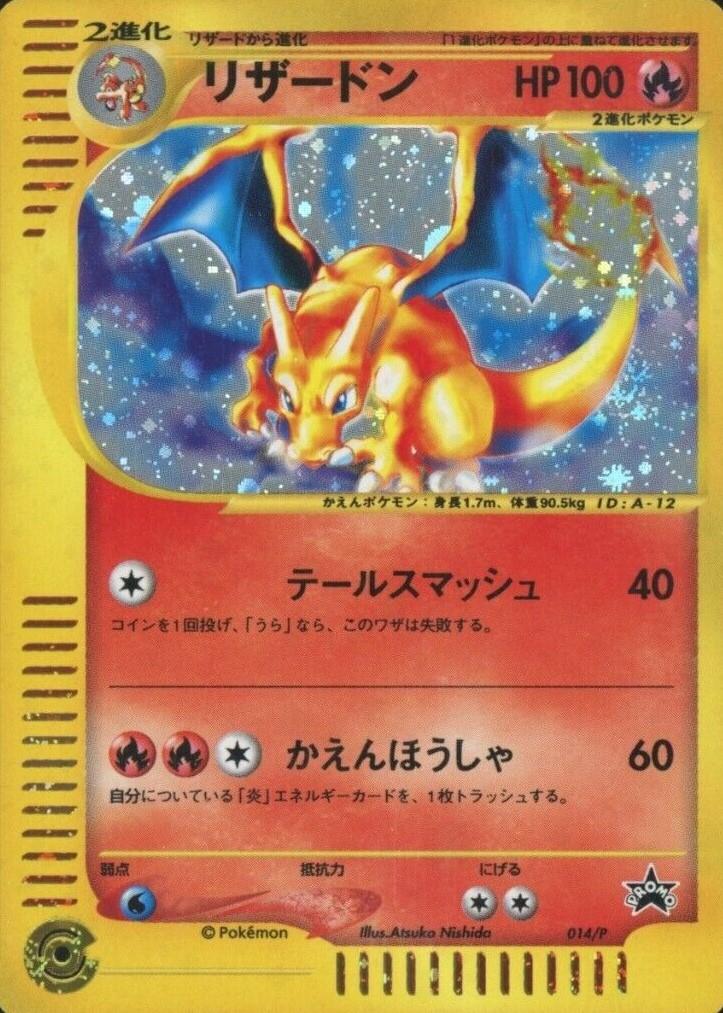
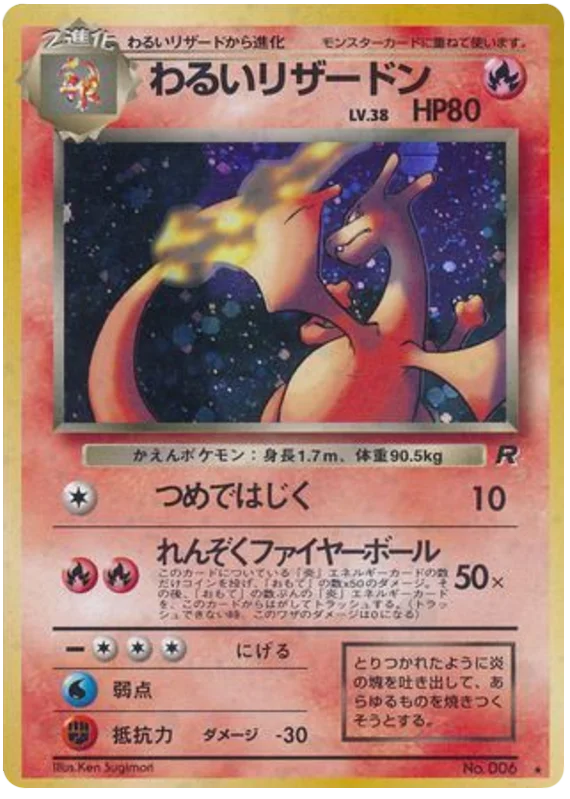
Base Set Charizard Value Guide: Which One Do You Have?
There isn’t one Base Set Charizard — there are several, and they’re worth wildly different amounts. A guide to editions, the Japanese vs English split, and what actually drives the price.
How to Sell Pokémon Cards for the Most Money
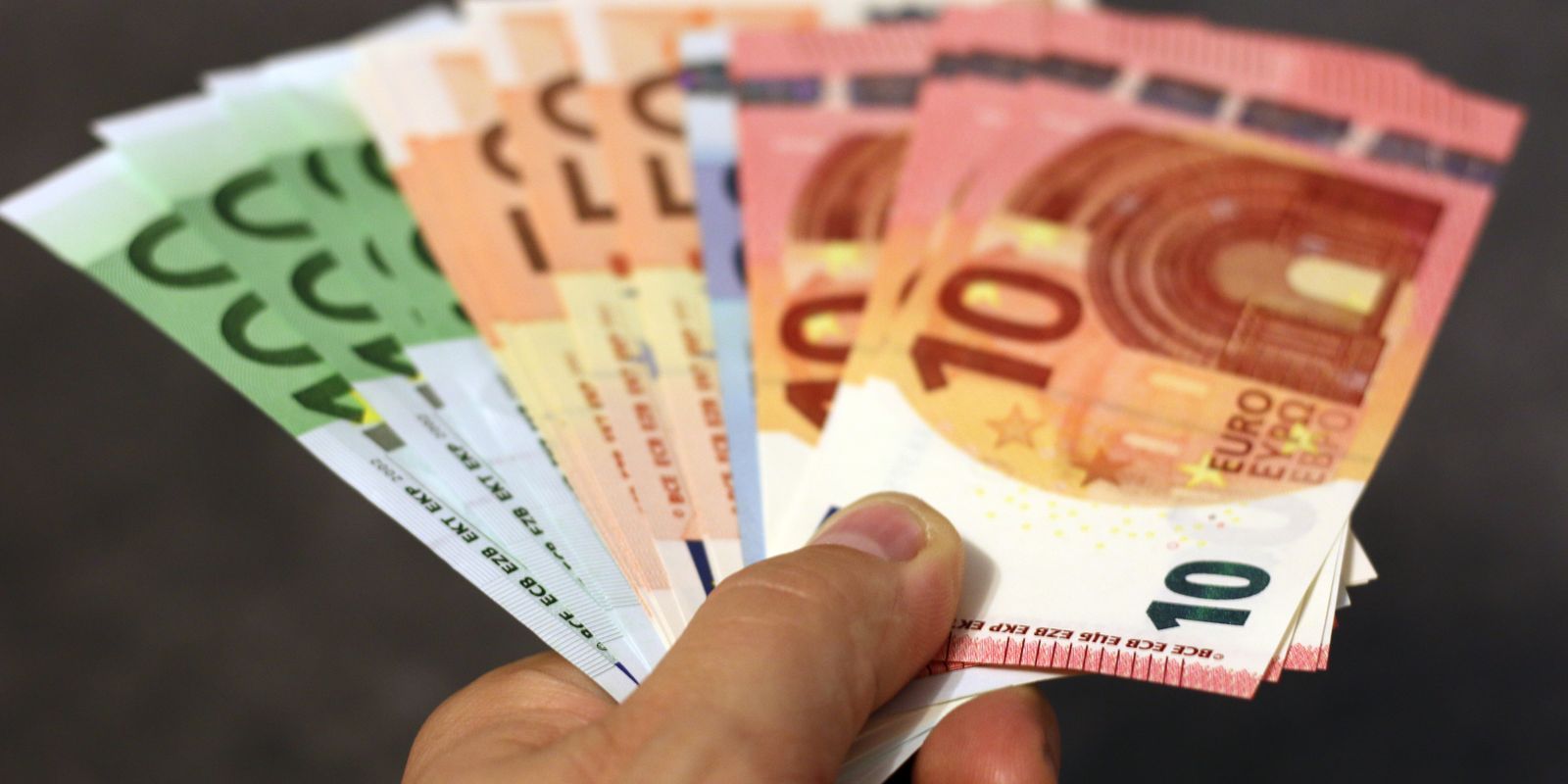
Where you sell, whether to grade first, and how you price all swing the final number more than the card itself. A practical guide to selling Japanese Pokémon cards without leaving money behind.
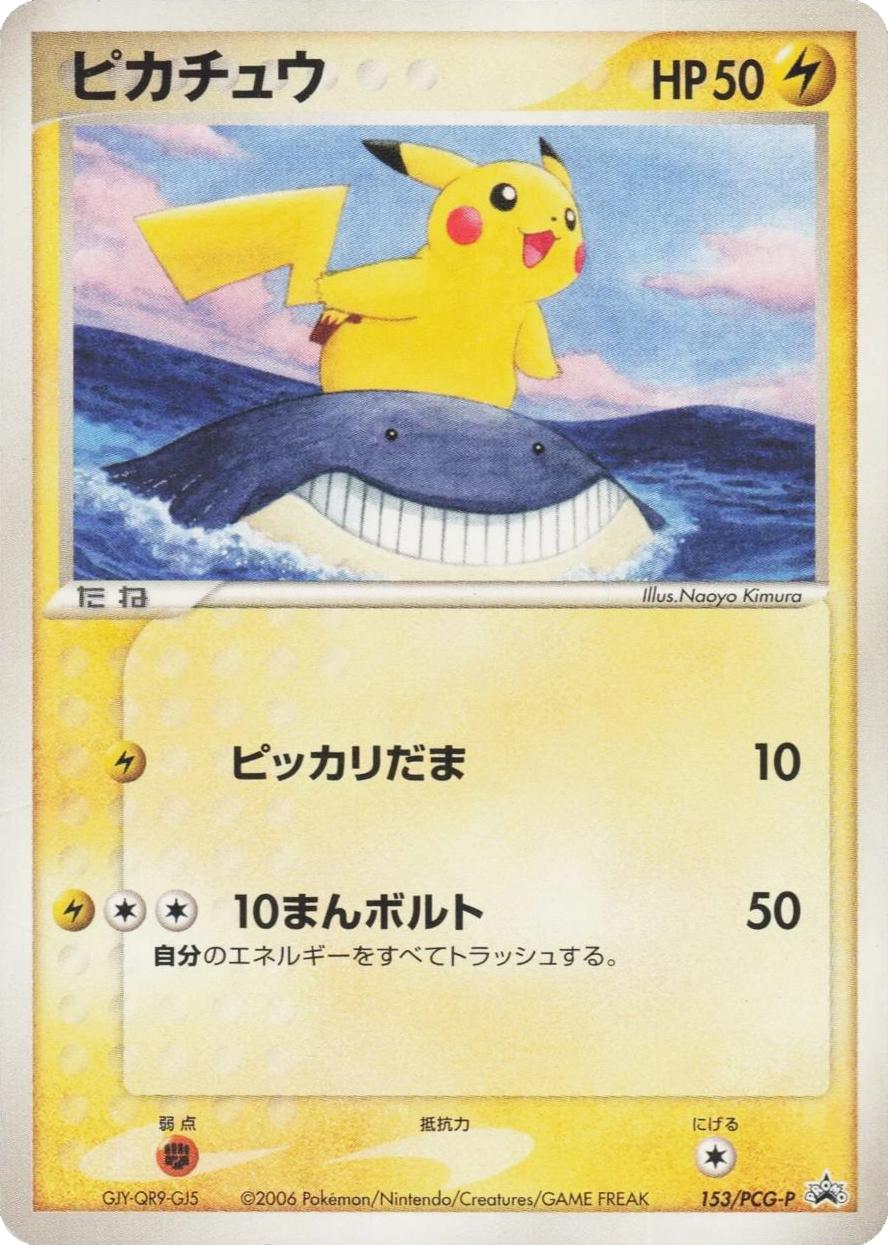
Pokémon Trophy Cards: The Rarest Cards Ever Made
No.1 Trainer, Super Secret Battle, Tropical Mega Battle — trophy cards were handed to tournament winners in tiny numbers, some with the champion’s name printed on. Here’s why they top every rarity list.
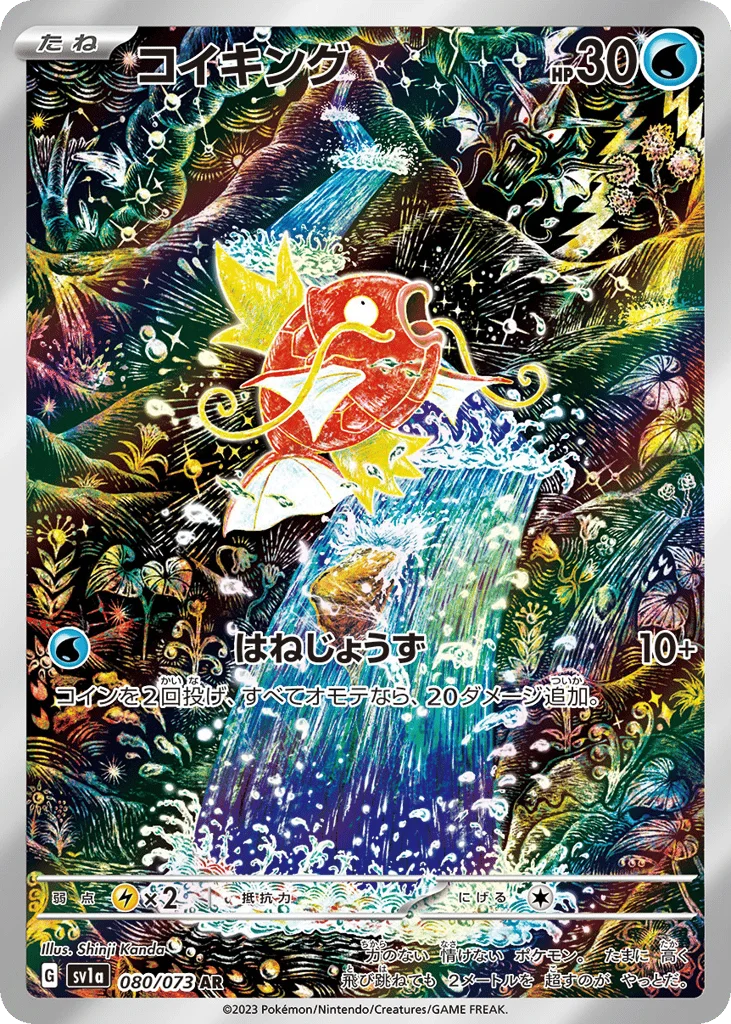
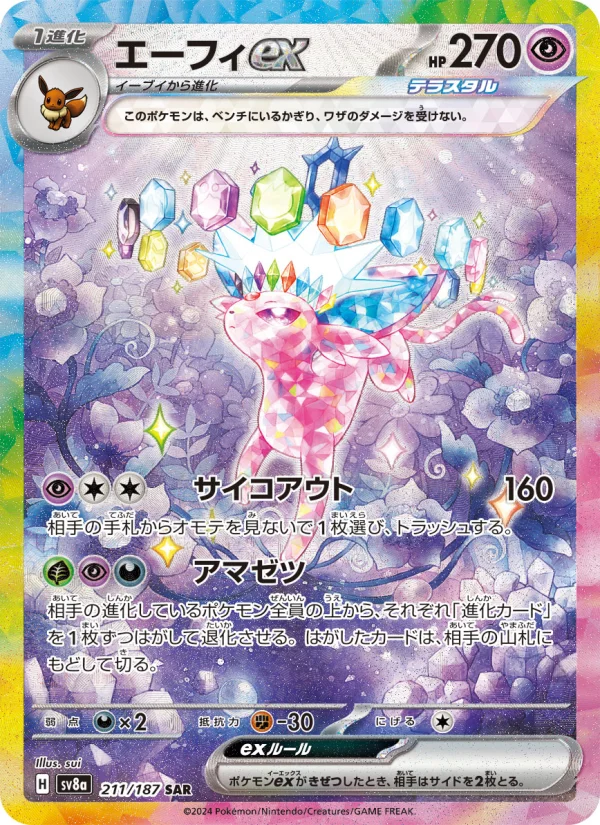

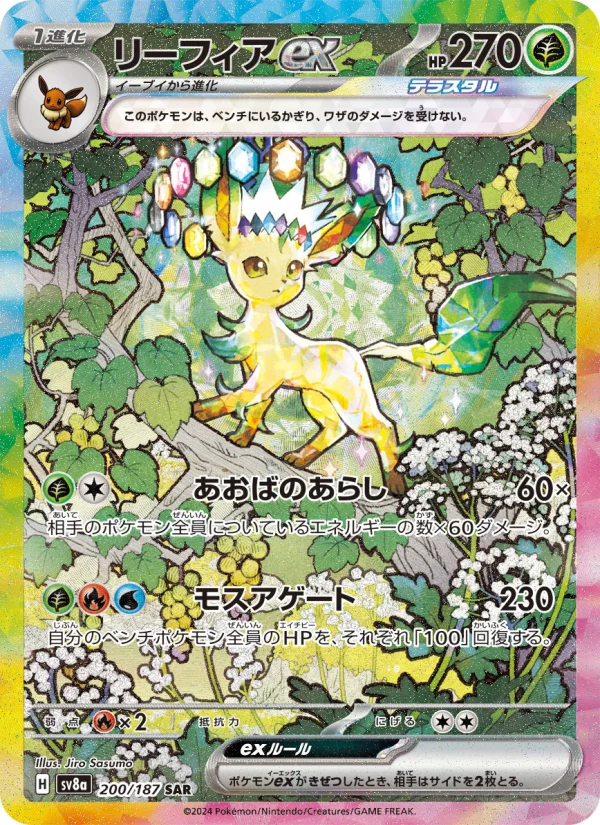
Full Art vs Alternate Art Pokémon Cards Explained
Full art, alt art, special art — the terms blur together but mean different things, and the difference drives price. Here’s how to tell them apart on Japanese cards, and why art beats rarity.

Are Pokémon Cards in a Bubble? How to Tell Froth From Value
Every rally revives the bubble question. Here’s a framework to separate speculative froth from durable demand — liquidity, breadth and graded depth — instead of guessing from headlines.

Where to Buy Japanese Pokémon Cards Safely (and Cheaply)
Japanese cards are often cheaper bought from Japan — if you know the channels. A guide to Mercari, Yahoo Auctions, proxies and graded buying, and how to avoid overpaying or getting faked.
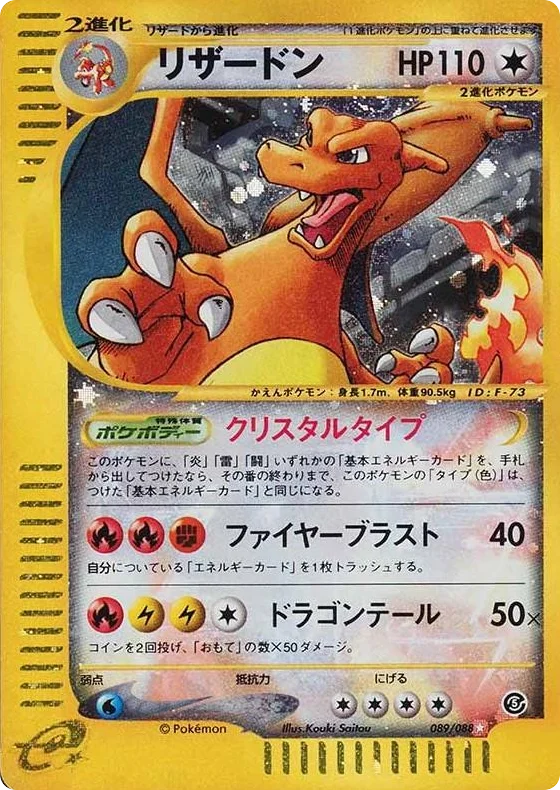
How Much Would It Cost to Buy Every Japanese Pokémon Card Ever Made?
We priced 27,000+ Japanese Pokémon cards, promos and variants from real sales. A full raw master set costs about $458,000, before trophy cards. Full breakdown.
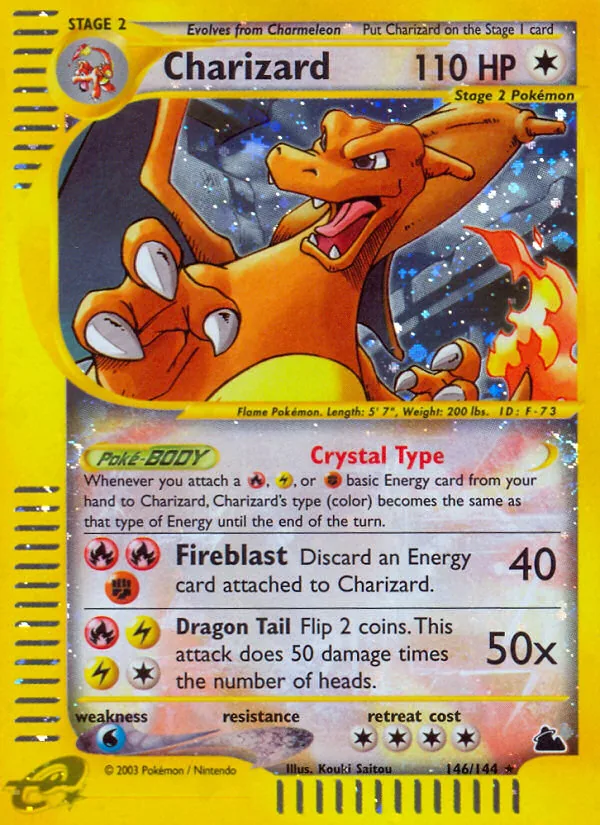
How Much Would It Cost to Buy Every English Pokémon Card Ever Made?
We priced all 38,000+ English Pokémon cards and variants from real sales. A full raw master set costs about $500,000. Era, set and card breakdown inside.
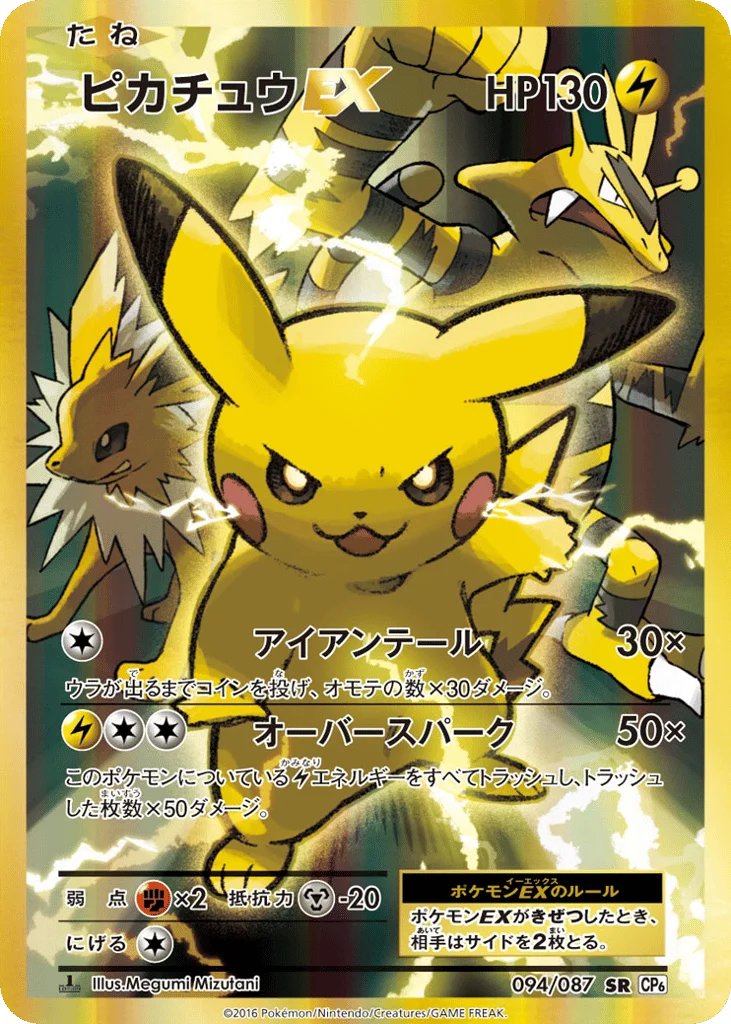
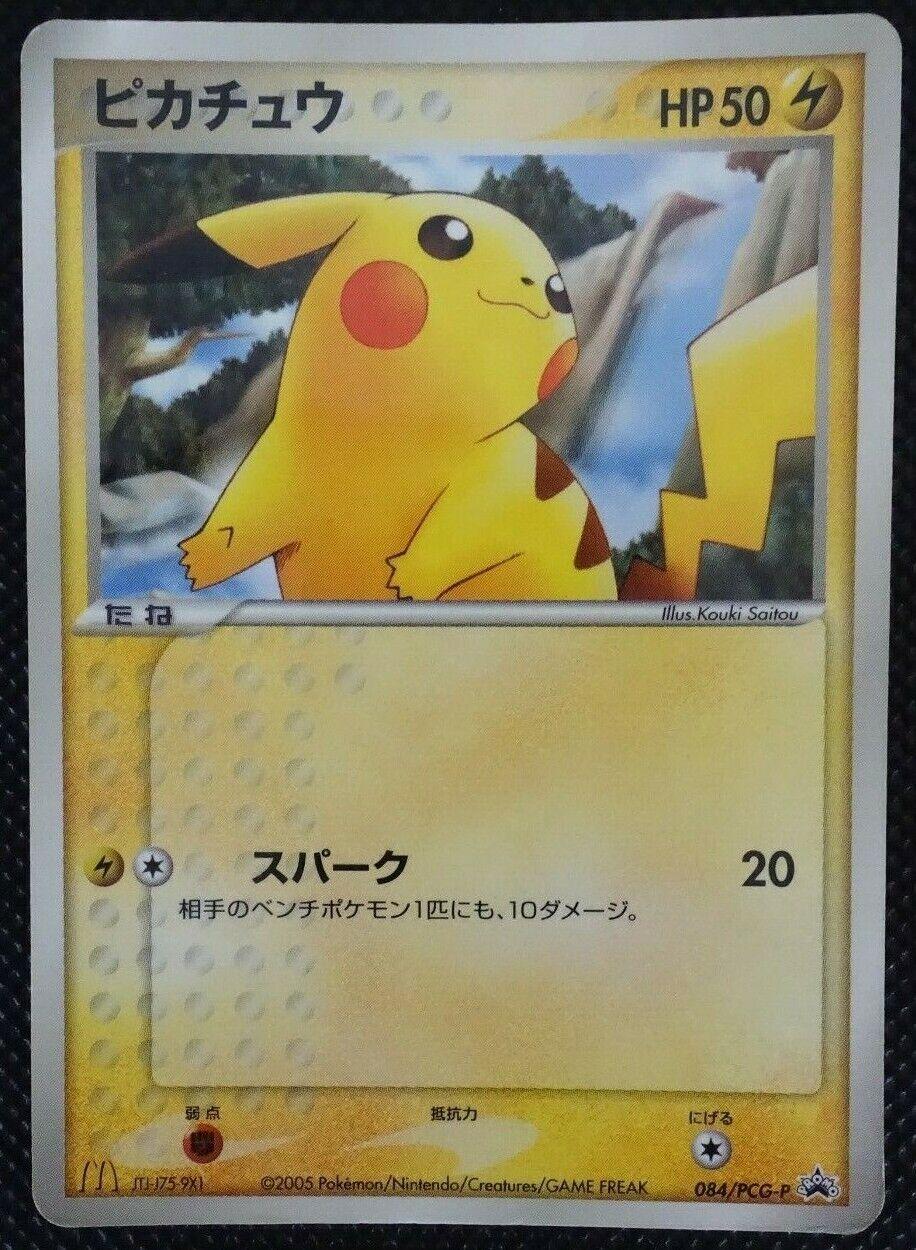
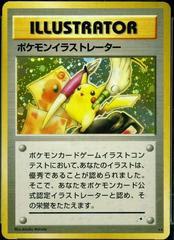
The Pikachu Illustrator: The Story Behind Pokémon’s $16.5M Card
The Pikachu Illustrator isn’t a tournament trophy — it’s a 1998 art-contest prize with ~39 copies and the word “ILLUSTRATOR” where every other card says “TRAINER.” Here’s its story.
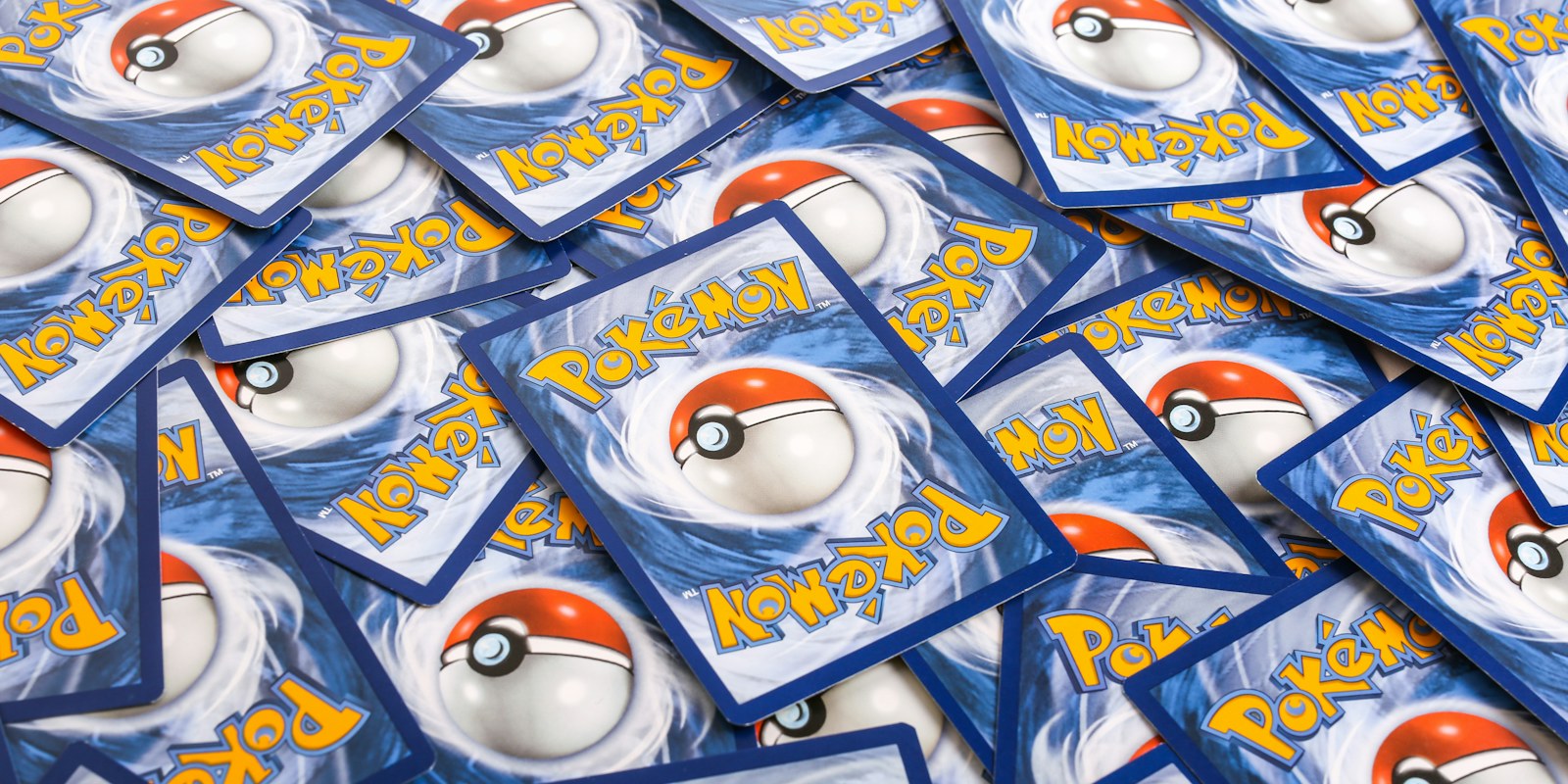
Pokémon Card Condition Guide: NM, LP, MP, HP, Damaged
Mint to Damaged — what each condition grade actually allows, how to inspect a card like a grader, and why centring and back whitening cost more than the flaw you’re staring at.
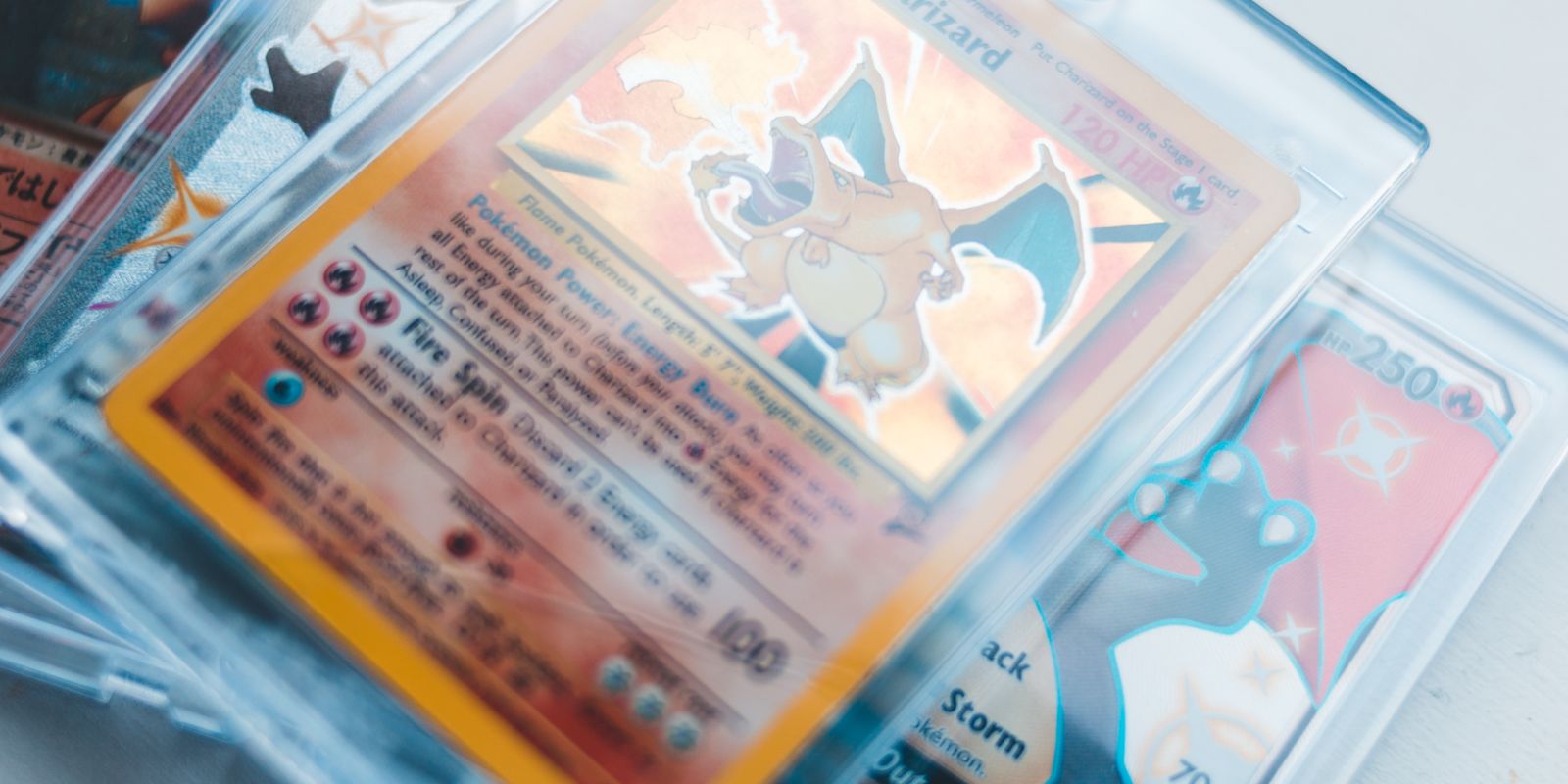
How to Store and Protect Pokémon Cards (Without Killing the Value)
Light, humidity and one wrong binder page can quietly destroy a card’s grade. Here’s the storage ladder that keeps Japanese Pokémon cards mint — from penny sleeve to slab.
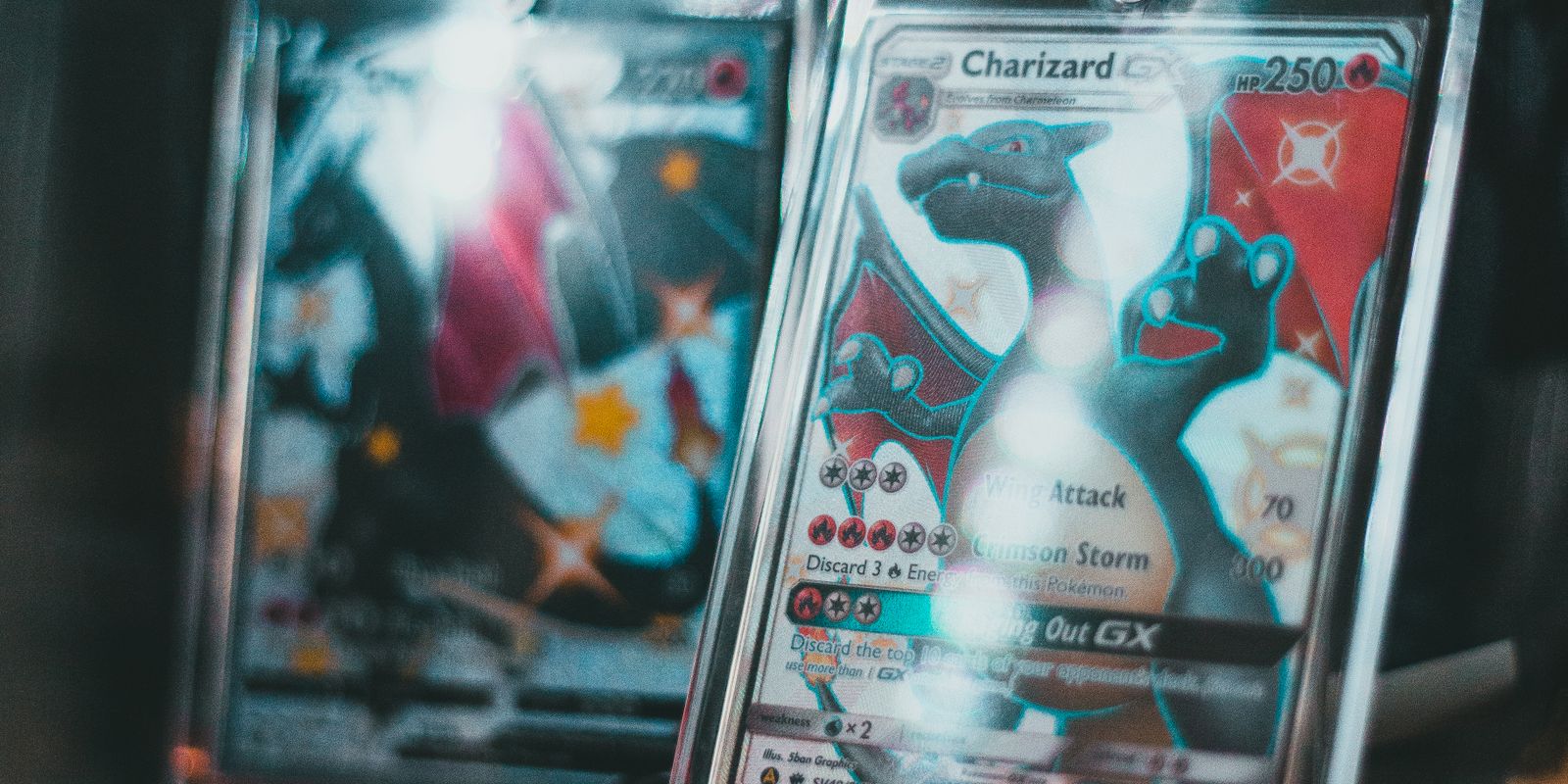
PSA vs BGS vs CGC: Which Grader Should You Use?
PSA, BGS and CGC grade the same card and reach different numbers — and different prices. Here’s what each scale rewards, and which to use for Japanese Pokémon cards.
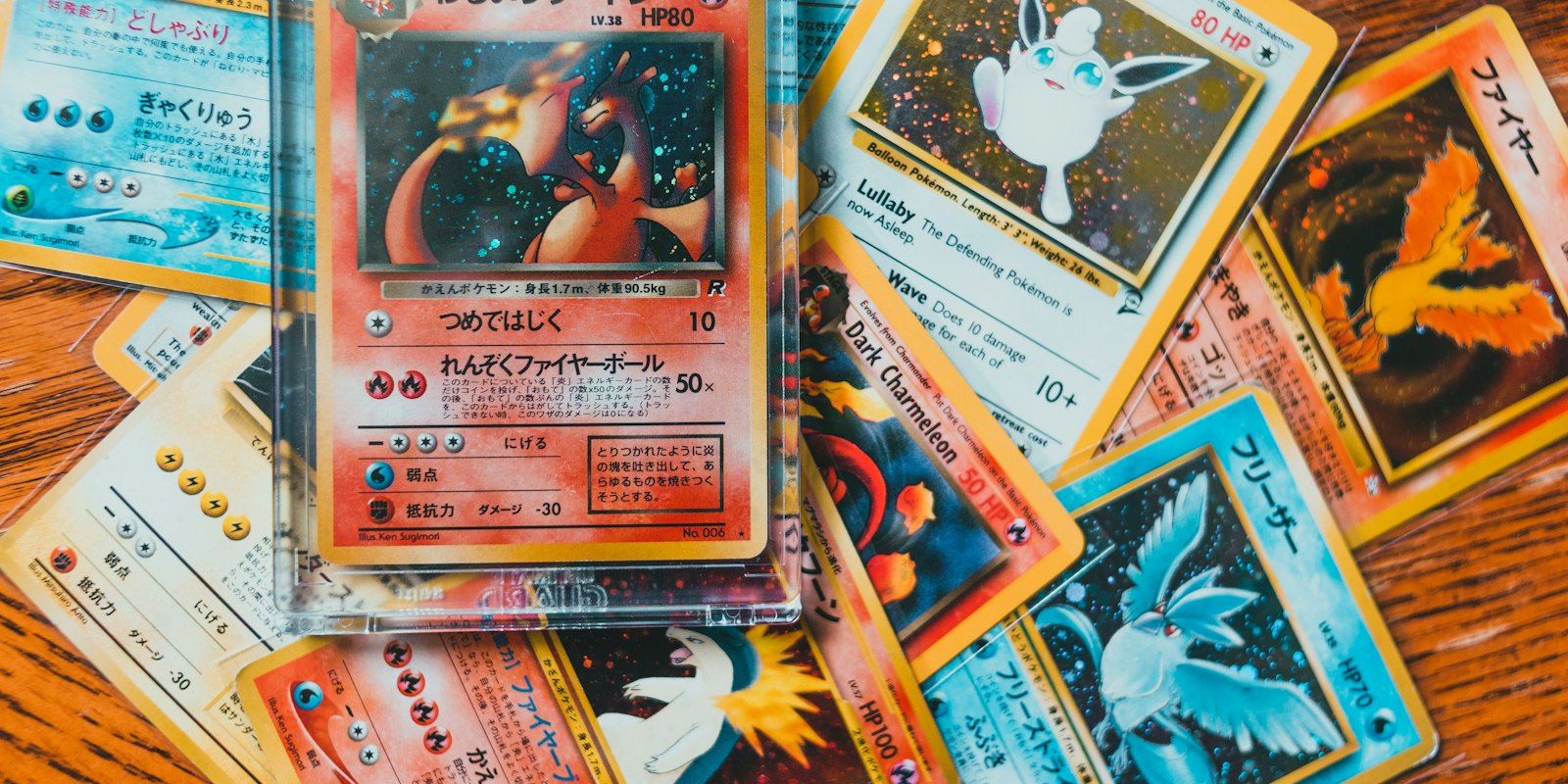
Which Japanese Pokémon Sets Are Worth Watching? A Framework
Instead of chasing hype, judge a Japanese Pokémon set by four things: its chase card, its print run, its graded market, and its era. Here’s the framework we use.
Pokémon Card Population Reports Explained
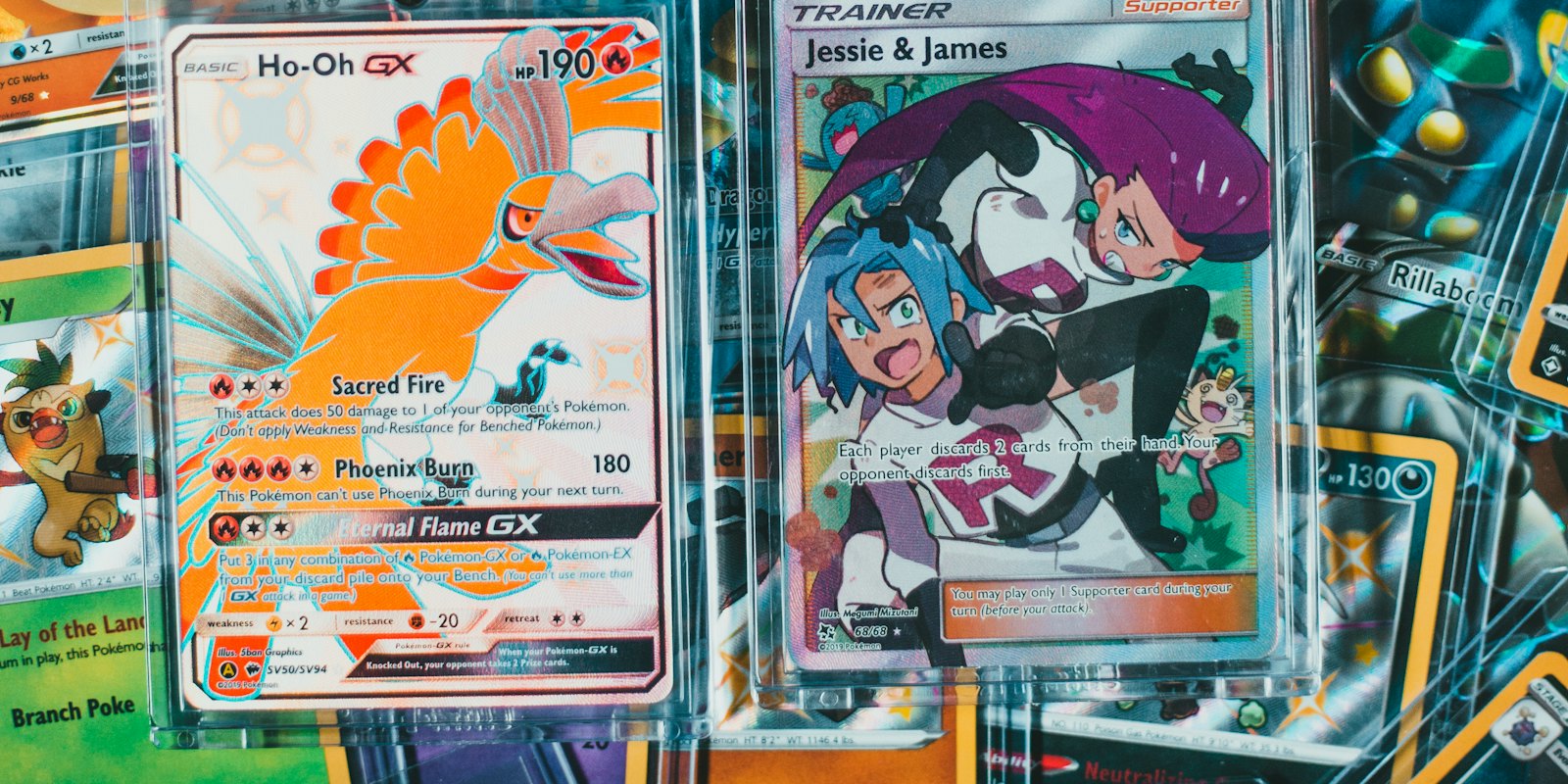
A population report is the supply side of a card’s price — how many a grader has slabbed at each grade. Here’s how to read it, why low pop drives value, and the traps to avoid.

What Is a Pokémon Card Index? (The S&P 500 for Cards)
A Pokémon card index turns a whole basket of cards into one number you can track over time — like the S&P 500 for stocks. Here’s how indices work and why they beat watching one card.
Are Sealed Japanese Pokémon Boxes a Good Investment?
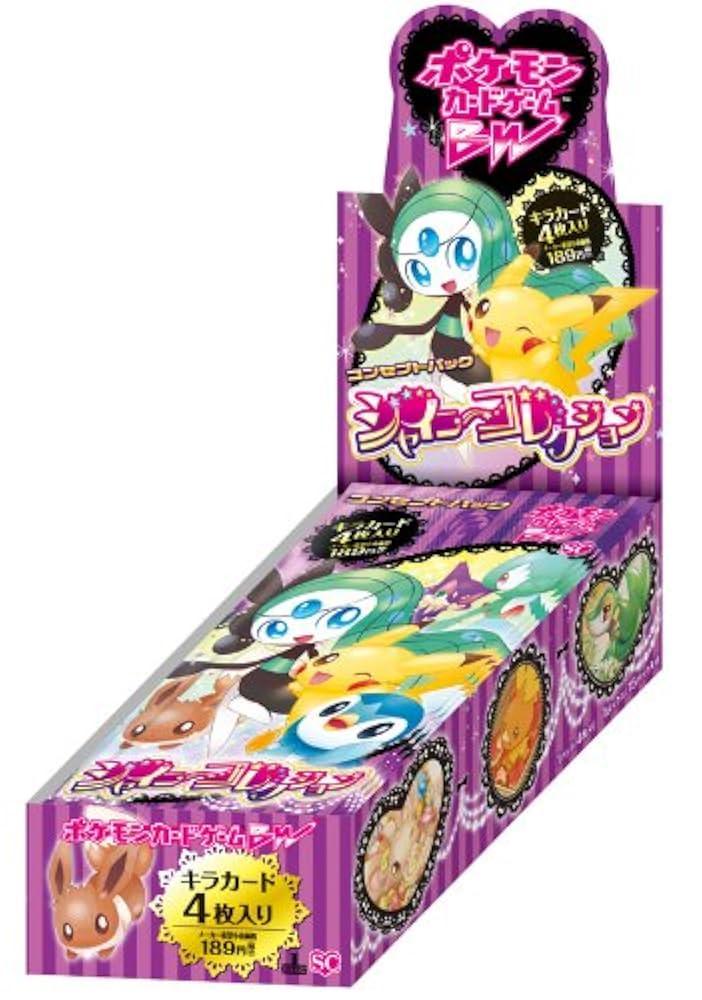
Sealed Japanese Pokémon boxes can outrun singles — or quietly lose to a reprint. Here’s the real case for and against, and how to check a box against the value of what’s inside.
How to Spot a Fake Japanese Pokémon Card
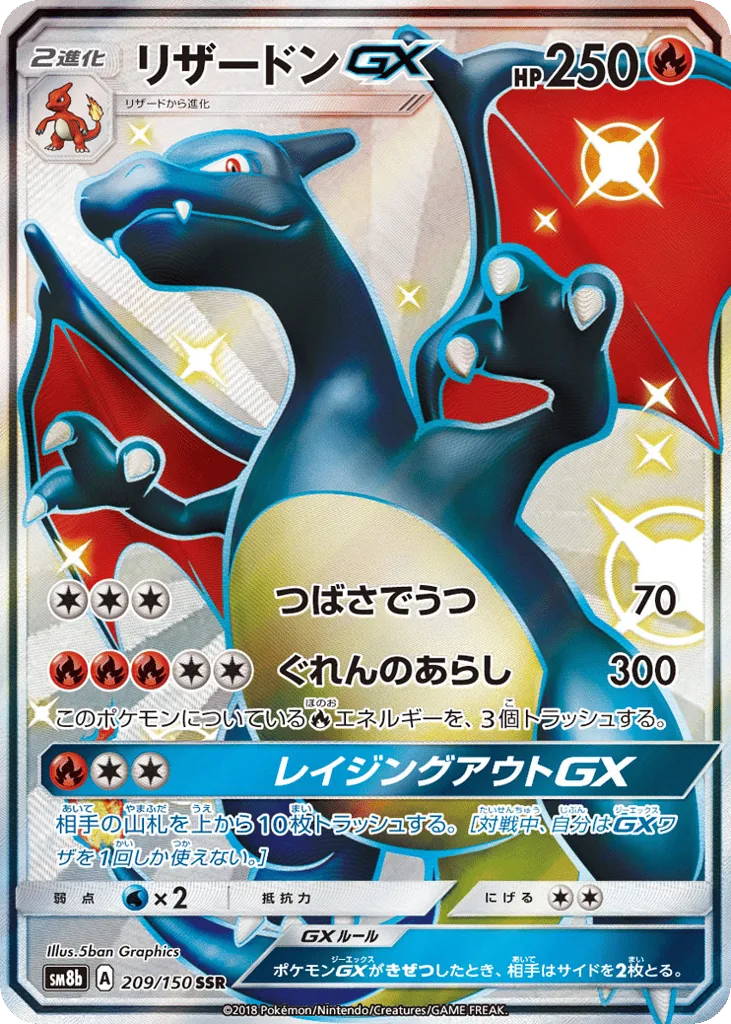
Counterfeit Japanese Pokémon cards are better than ever. Here are the checks that actually work — the light test, texture, print and back — before you spend real money.
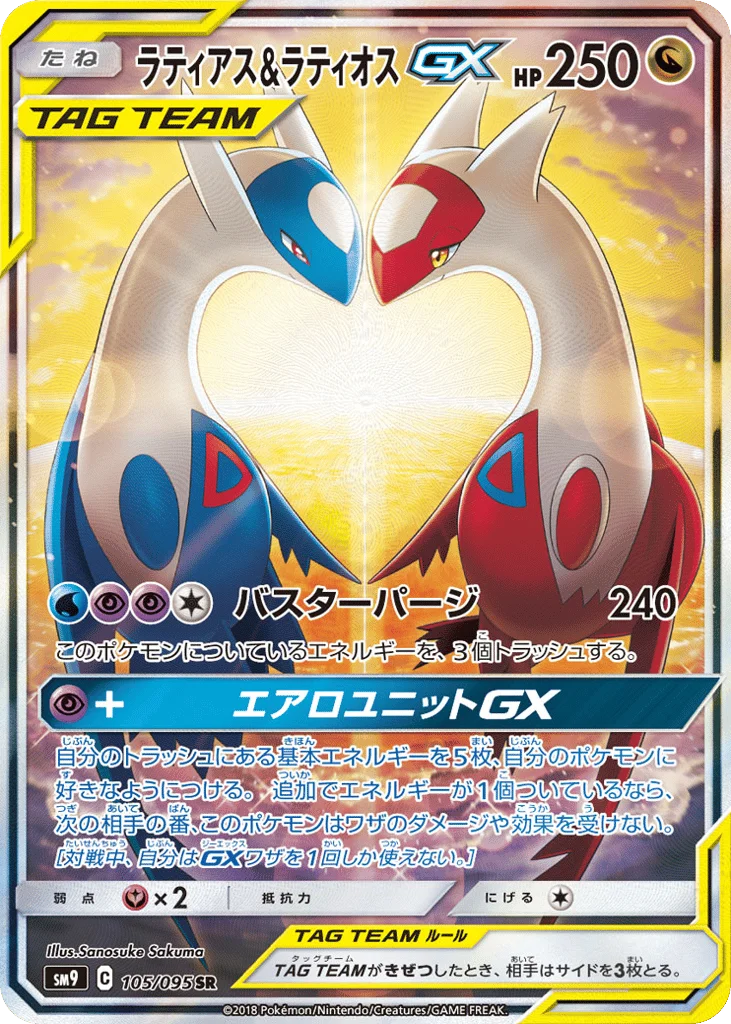
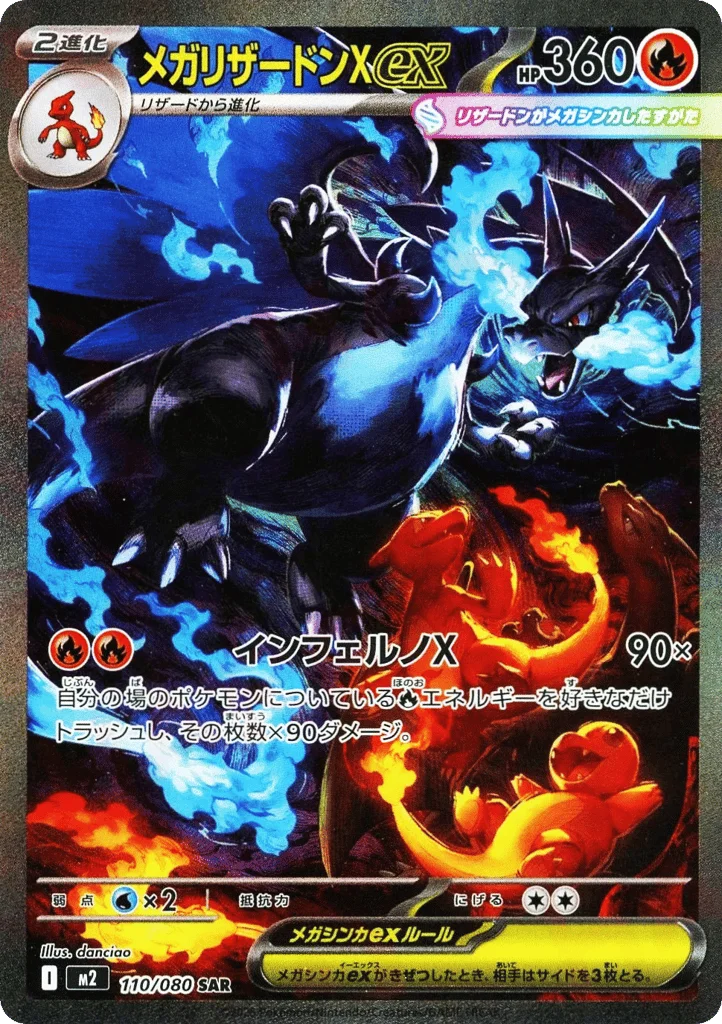
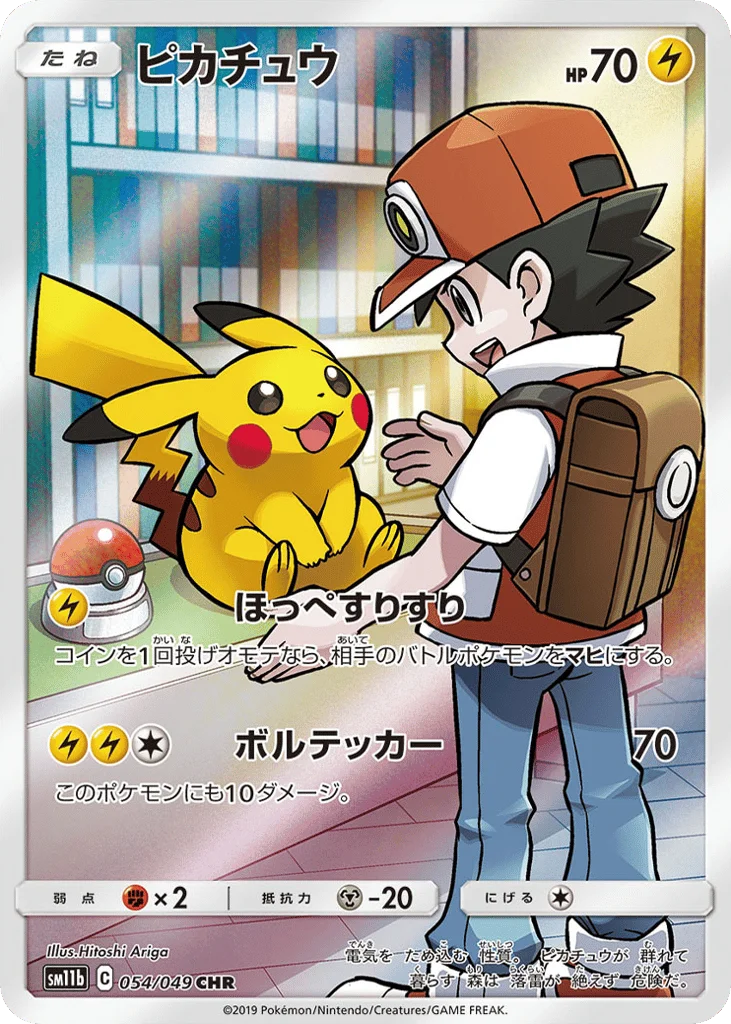
Japanese Pokémon Card Rarities Explained: AR, SR, SAR, UR, CHR & the Rest
AR, SR, SAR, UR, CHR — Japanese Pokémon cards use a rarity alphabet that doesn’t match English. Here’s what each letter means, how to spot it, and why it drives price.

Biggest Pokémon Card Sales — September 2026
September 2026’s record Pokémon card sales: a $5M PSA 9 Pikachu Illustrator, a $2.8M CGC 9, a reported $1M 1st Edition Charizard and a $750k sealed box — with sources.
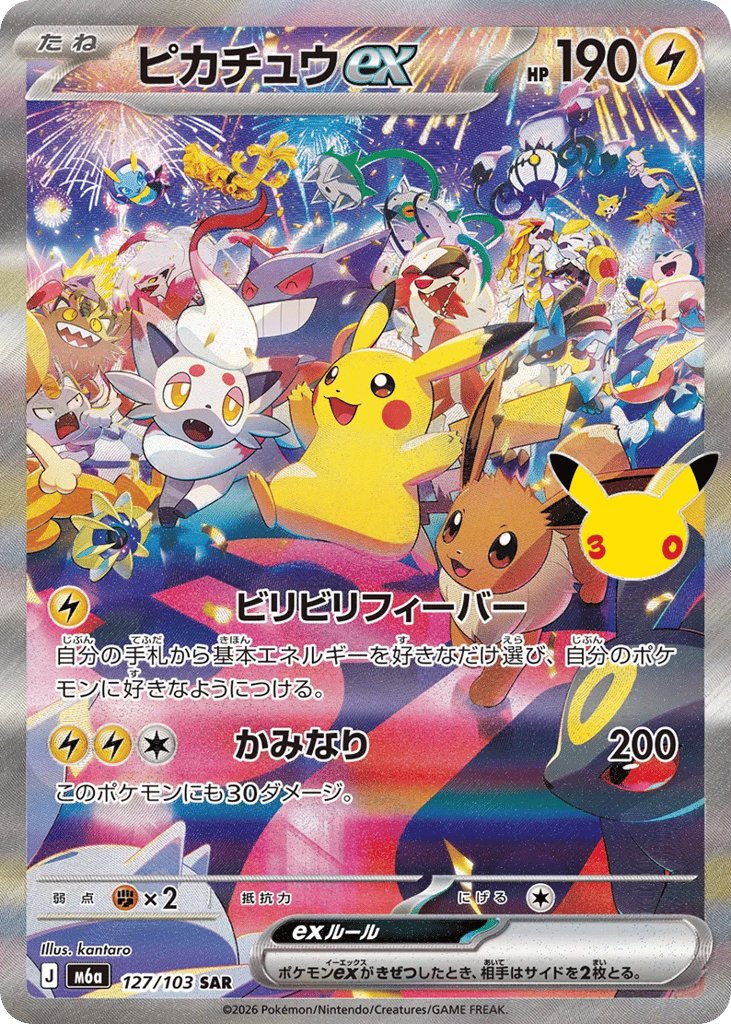
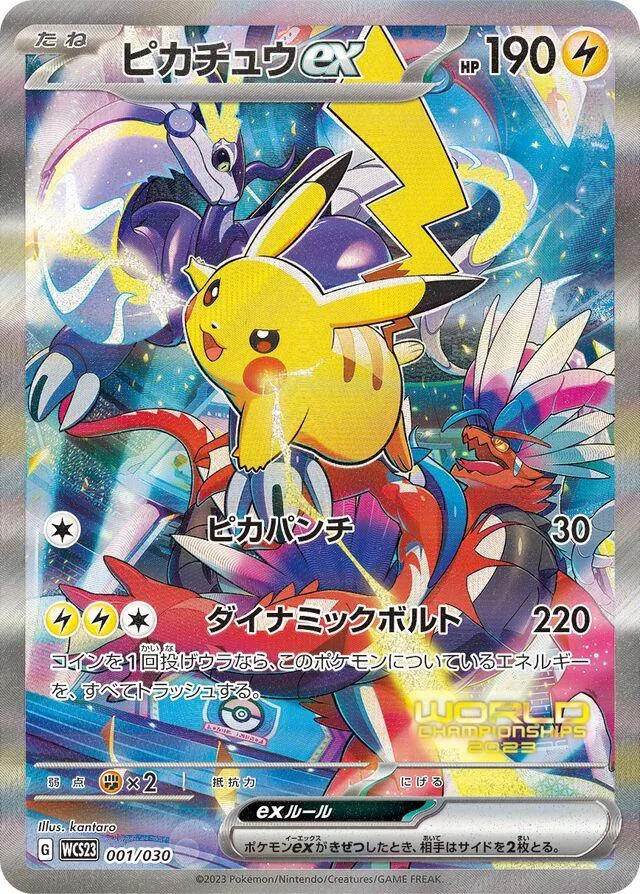
Pokémon TCG 30th Celebration: Prices, Chase Cards & Release Waves
30th Celebration card prices from real sales, every English release wave from Sept 16 to Dec 4, the Pikachu ex price crash, and why the TCG turns 30 on October 20.
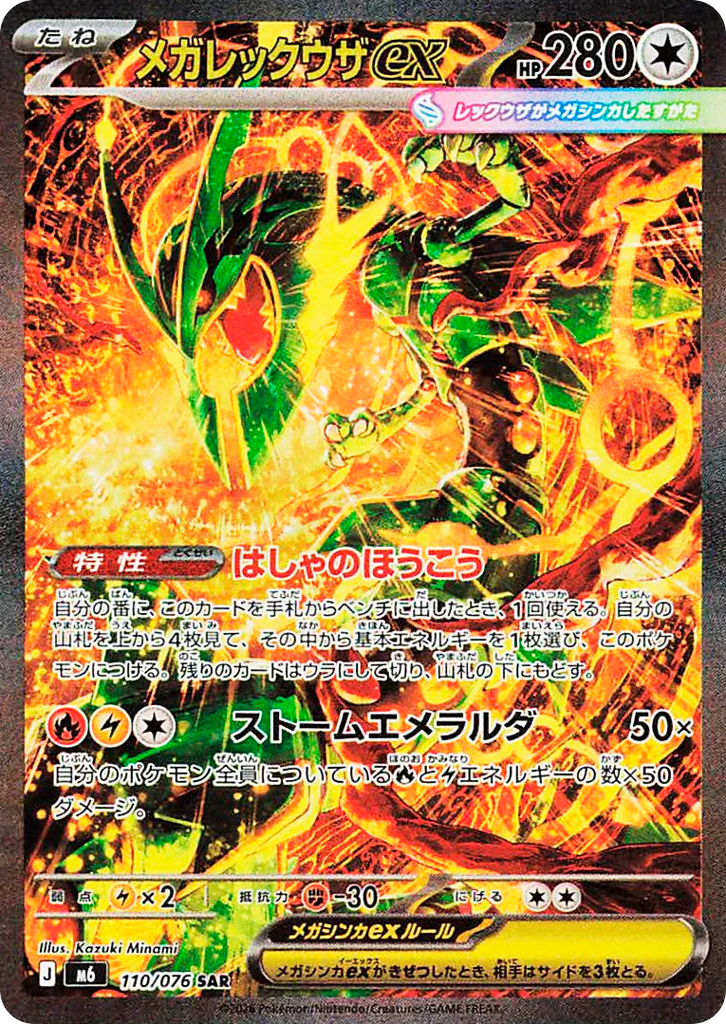
Mega Evolution Delta Reign: Release Date, Chase Cards & Early Prices
Delta Reign (Nov 6, 2026) is the English version of Japan’s Storm Emeralda. What the chase cards already sell for in Japan — Mega Rayquaza ex leads — from 1,000+ real sales.
Pokémon Card Market Report — Week of June 23, 2026
The state of the Pokémon card market: total market cap, the Japanese vs English split, the biggest cards, and this week’s real movers — all from PokéTT’s sold-price medians.
The Biggest Pokémon Card Sales of All Time (Updated October 2026)
Every record Pokémon card sale with auction, date and source: the $16.49M Pikachu Illustrator, the $8.4M Raincoat Pikachu, the first $1M English card.
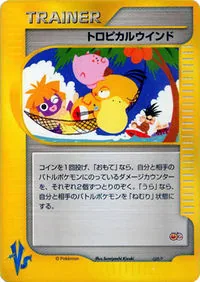
The Rarest Pokémon Cards Ever Made
Rarest is not the same as most expensive. From the Tropical Mega Battle prize cards to the No. 1 Trainer trophies — the genuinely rarest Pokémon cards, and how to measure rarity properly.

How Much Are Japanese Pokémon Cards Worth?
A USD value guide to Japanese Pokémon cards: how the Japanese market is priced, where it differs from English, the grails worth thousands, and how to value any Japanese card in dollars.
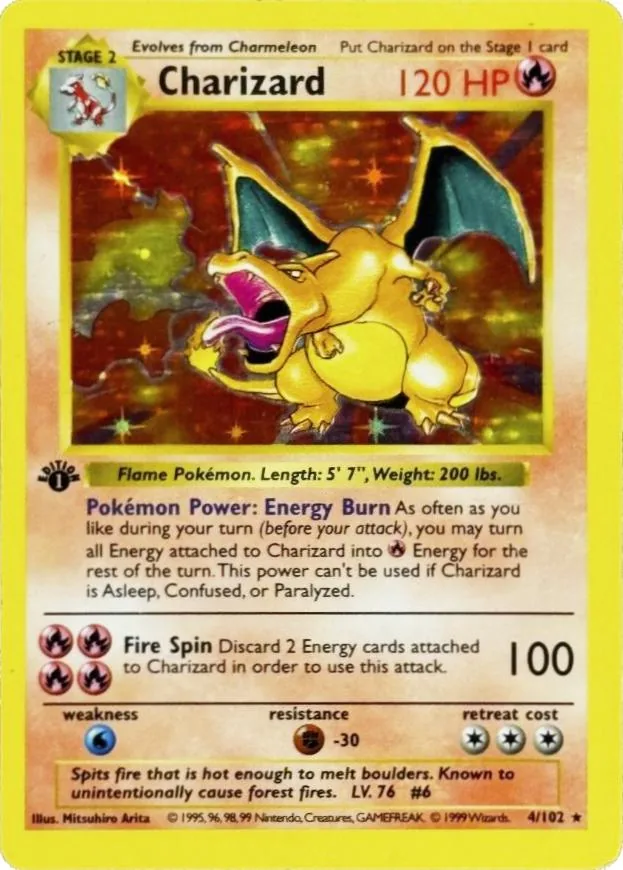
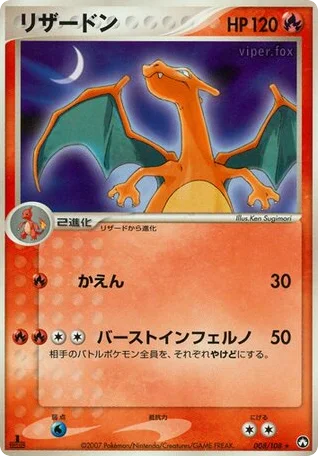
The Most Valuable Charizard Cards (and What They Are Worth)
From the 1st Edition Base Set Charizard and the Japanese No Rarity print to modern chase cards — the most valuable Charizard cards, ranked by real market value, not headline auctions.
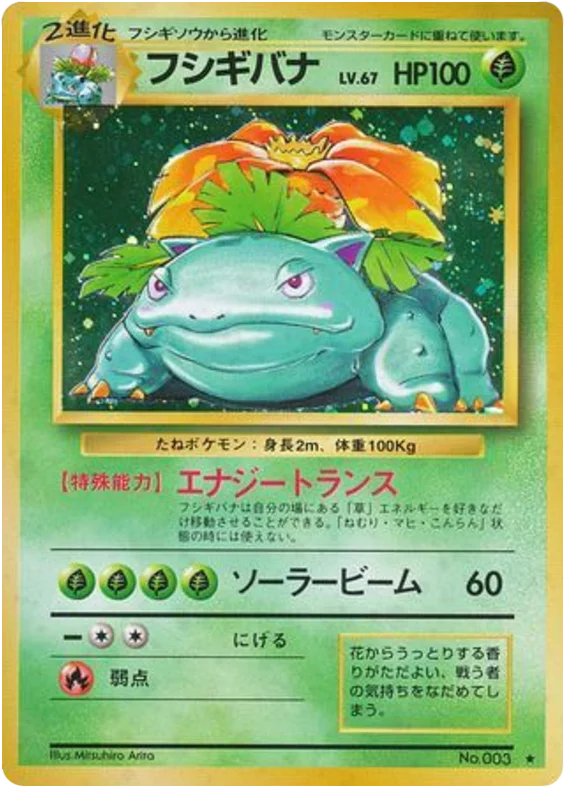
How to Read a Vintage Japanese Pokémon Card
That “No. 006” on an old Japanese card isn’t the set number — it’s the Pokédex number. Here’s how to read the number, the rarity symbol and the set on vintage Japanese cards, and why it differs from English.
Japanese 1st Edition vs Unlimited: When the “Common” Print Is Rarer
Japanese Pokémon cards flip the English rule: Unlimited is often scarcer than 1st Edition. How to read the stamp, which sets split, and which is worth more.
No Rarity Cards: The Japanese Base Set’s True First Print
Japanese “No Rarity” cards are the 1996 first print of Base Set — missing the rarity symbol entirely. Here’s how to spot them, why they’re the Japanese answer to 1st Edition, and what they’re worth.
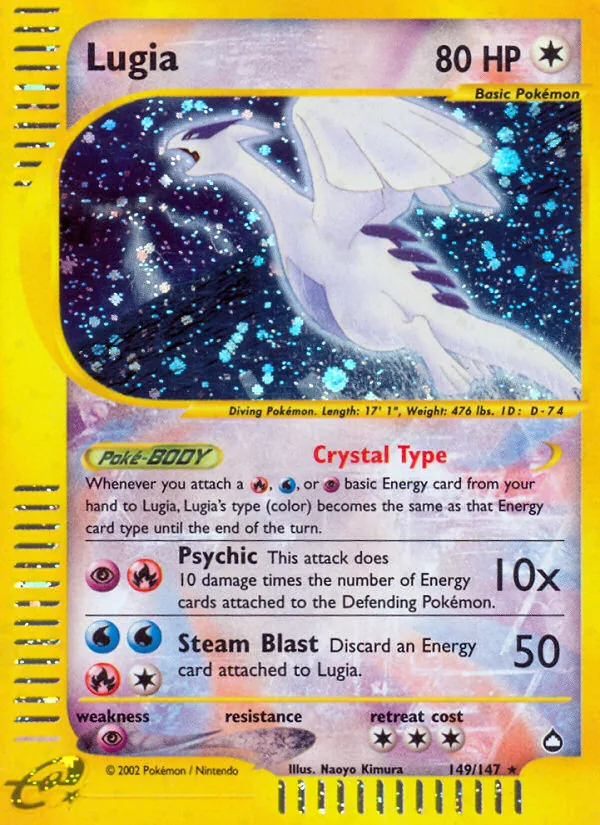
The Most Expensive Pokémon Cards Ever Sold
From the Pikachu Illustrator to the 1st Edition Charizard and the Trophy cards — the most expensive Pokémon cards ever sold, and the three things that actually make a card worth a fortune.
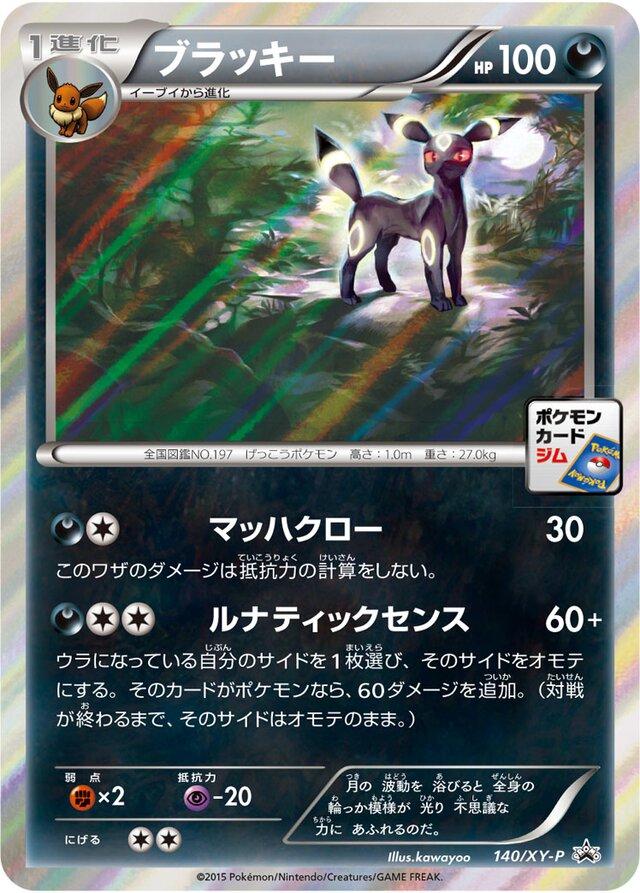
How to Tell If a Pokémon Card Is Valuable
A practical checklist for spotting a valuable Pokémon card — rarity symbols, 1st Edition and Shadowless stamps, holo type, condition and print run — and how to check the real price in seconds.
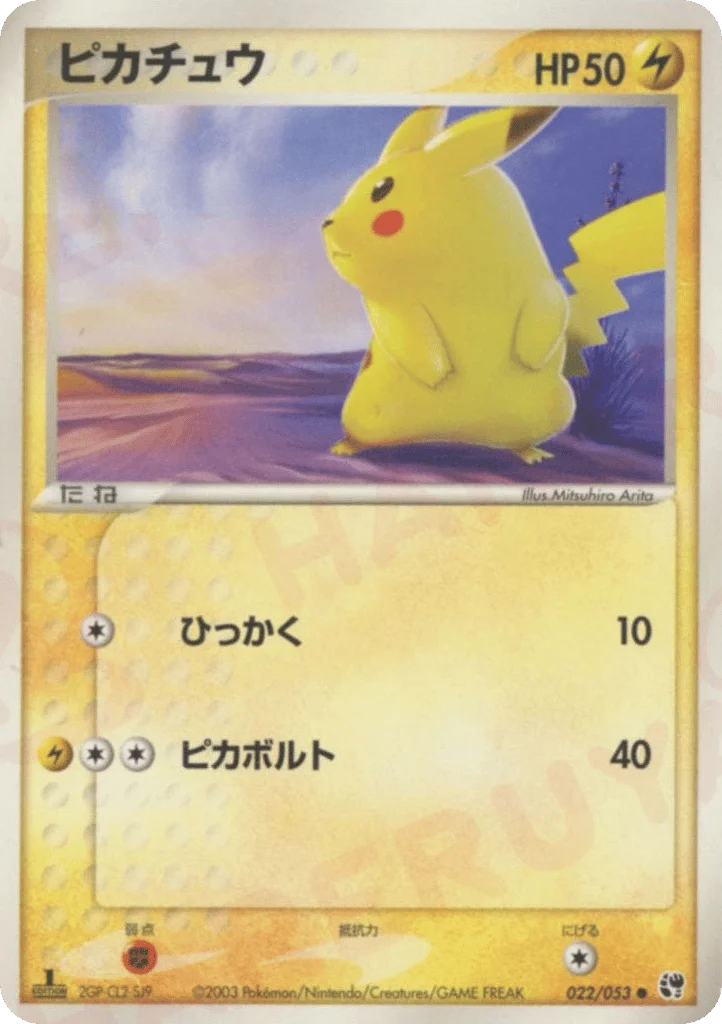
Japanese vs. English Pokémon Cards: Why They Are Two Different Markets
Japanese and English Pokémon cards look similar but trade as separate markets — different release dates, print runs, grading populations and prices. Here is how to read both.
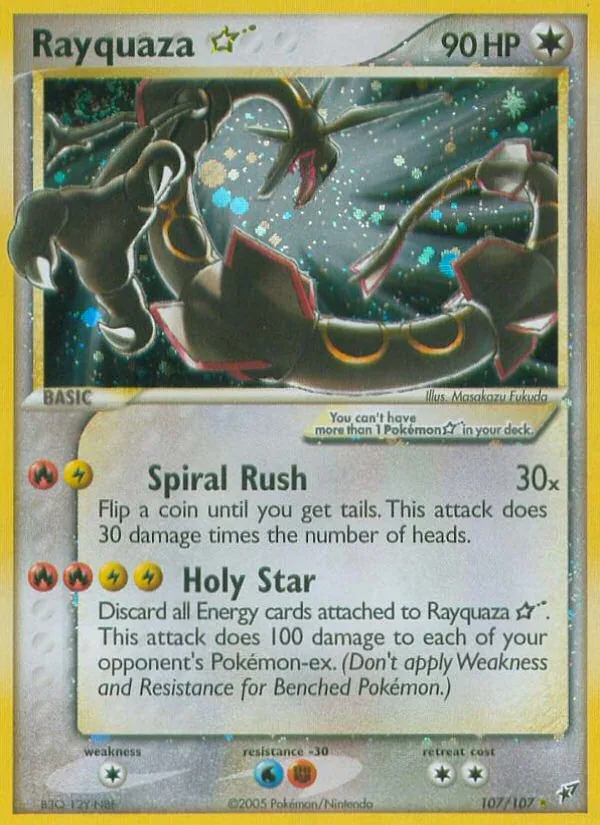
Are Pokémon Cards a Good Investment? What the Numbers Show
A clear-eyed look at Pokémon cards as an investment — what has actually driven returns, the role of grading and scarcity, the real risks (liquidity, fakes, hype) and how to think about it with data.
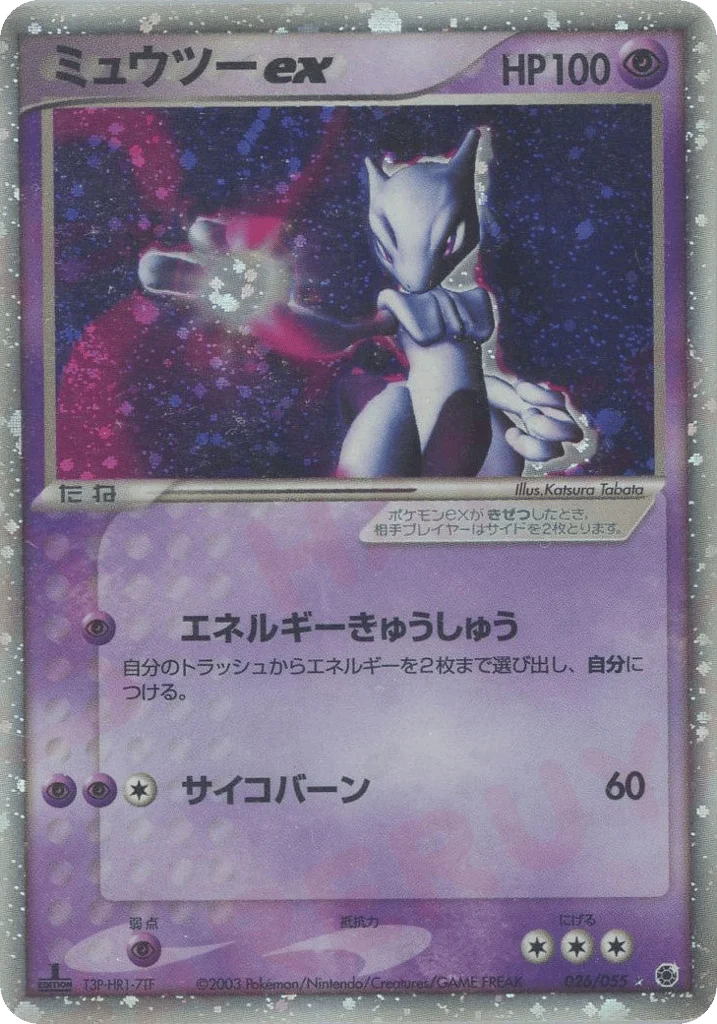
What 'Market Cap' Means for a Pokémon Card (and Why We Use Median Sales)
Market cap turns a single card price into a measure of total value: price times graded population. Here is exactly how we calculate it, why we use the median of recent sales, and where the number can mislead.
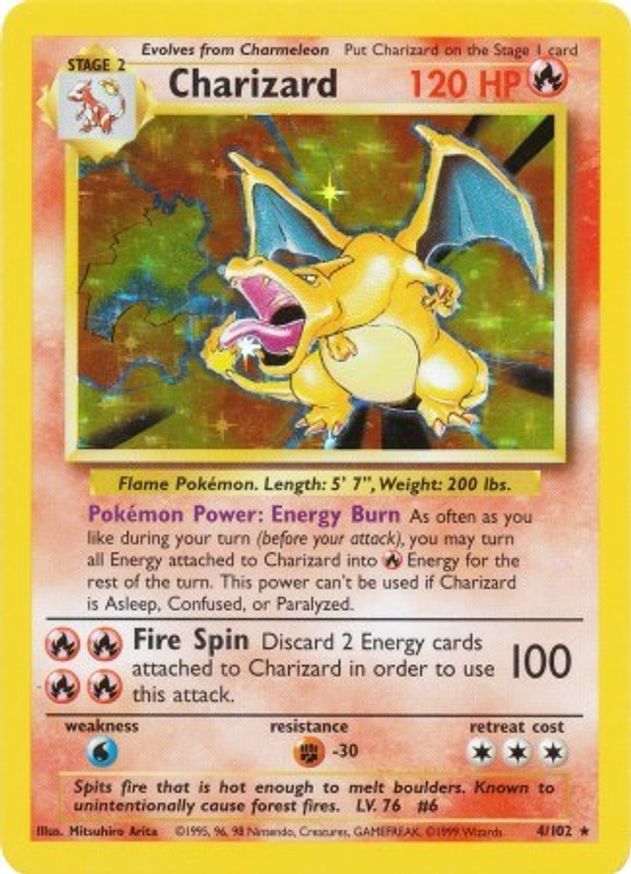
PSA 10 vs. Raw: What Grading Actually Does to a Card Price
Why a graded Pokémon card can be worth many times an ungraded one — how PSA, BGS and CGC grades map to price, what the gem-mint premium really pays for, and how to read a grade ladder.