How to Tell If a Pokémon Card Is Valuable
Most Pokémon cards are worth a few cents. A few are worth a few thousand dollars. The difference is usually decided by five things you can check in under a minute — before you ever look up a price. Here is the checklist collectors actually use.
1. The rarity symbol (bottom-right corner)
Look at the bottom-right corner of the card’s front. A circle is common, a diamond uncommon, a star rare. Beyond that, modern sets add special rarities — full arts, alternate arts, secret rares, “chase” cards — that can be worth many times the base version of the same Pokémon. The rarer the symbol, the fewer were printed, and supply is half the price.
2. Edition and era stamps (vintage gold)
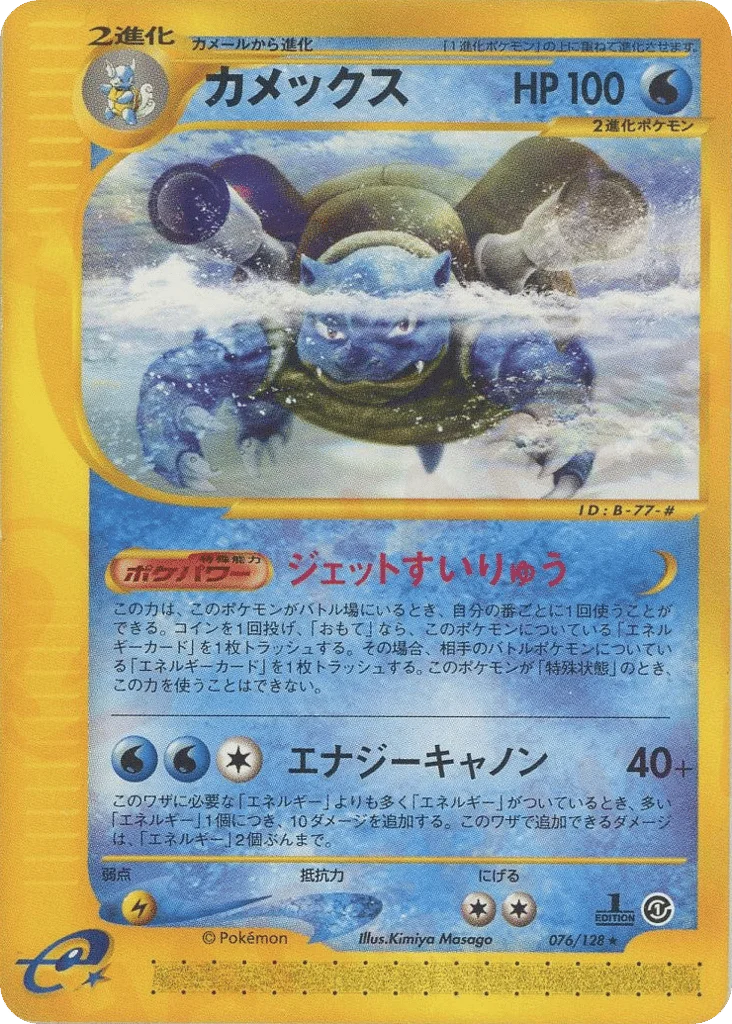
On older cards, small details are worth a fortune. A 1st Edition stamp (a small circle to the left of the artwork) marks the very first print run and commands a large premium over Unlimited. Shadowless Base Set cards (no drop-shadow on the right of the art box) sit between 1st Edition and Unlimited. These tiny differences can mean a 10× swing on the same card — so check them before you assume two copies are equal.
3. Holo, reverse-holo, or non-holo
For vintage especially, the holofoil version of a card is the valuable one; the non-holo of the same card is often a fraction of the price. Modern sets complicate this with reverse holos, full arts and textured cards — but the rule of thumb holds: the shinier and harder-to-pull the finish, the more it tends to be worth.
4. Condition (this decides more than you think)
Two copies of the same card can differ 10× in price on condition alone. Look at the four things graders look at: centering (is the border even?), corners (sharp or soft?), edges (clean or whitening?) and surface (scratches, print lines, dents). A card that grades gem-mint is a different asset from a played copy — that is the whole reason grading exists.
5. Print run & population (the hidden number)
Two rare cards are not equally rare. The one with a tiny graded population is the genuinely scarce one. You can’t see population on the card itself — but it is the single best scarcity signal there is, which is why we show it next to every price.
Then check the real price — not a guess
Once a card passes the checklist, don’t trust a single eBay listing. Look up its median of recent sales in the right grade. Search any card by name, set or artist, browse a Pokémon’s whole hub like Pikachu, or rank a set with the screener — every card page shows real prices, graded values and population, so you value it like the market does.
- Check rarity symbol, edition/era stamps (1st Edition, Shadowless), holo type, condition and population — in that order.
- Tiny vintage details (1st Edition, Shadowless, holo vs non-holo) can mean a 10× price swing on the same card.
- Condition decides more than people expect; gem-mint is a different asset from played.
- Verify with the median of recent sales in the correct grade — never a single listing.