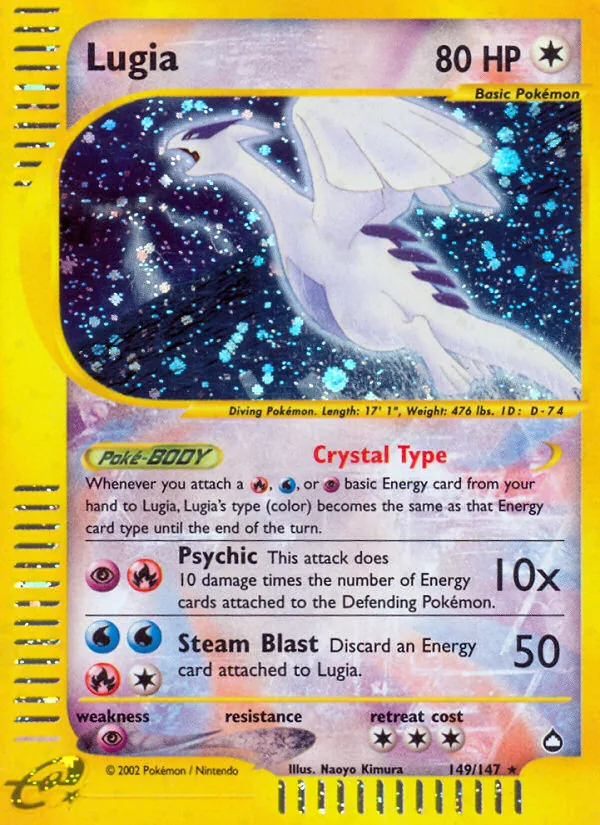
The Most Expensive Pokémon Cards Ever Sold
A handful of Pokémon cards have sold for the price of a house — or a small apartment block. None of them are valuable by accident. Look past the headline numbers and the same three forces show up every time: how few exist, how badly people want them, and what condition the survivors are in. Here are the famous ones, and what they teach you about every other card.
The grails everyone has heard of
At the very top sits the Pikachu Illustrator — a 1998 promo handed out to winners of a Japanese illustration contest, of which only a few dozen are believed to exist. A gem-mint copy reportedly changed hands for several million dollars, making it the most valuable Pokémon card in the world. It is the textbook case of the formula: near-zero supply meets bottomless demand.
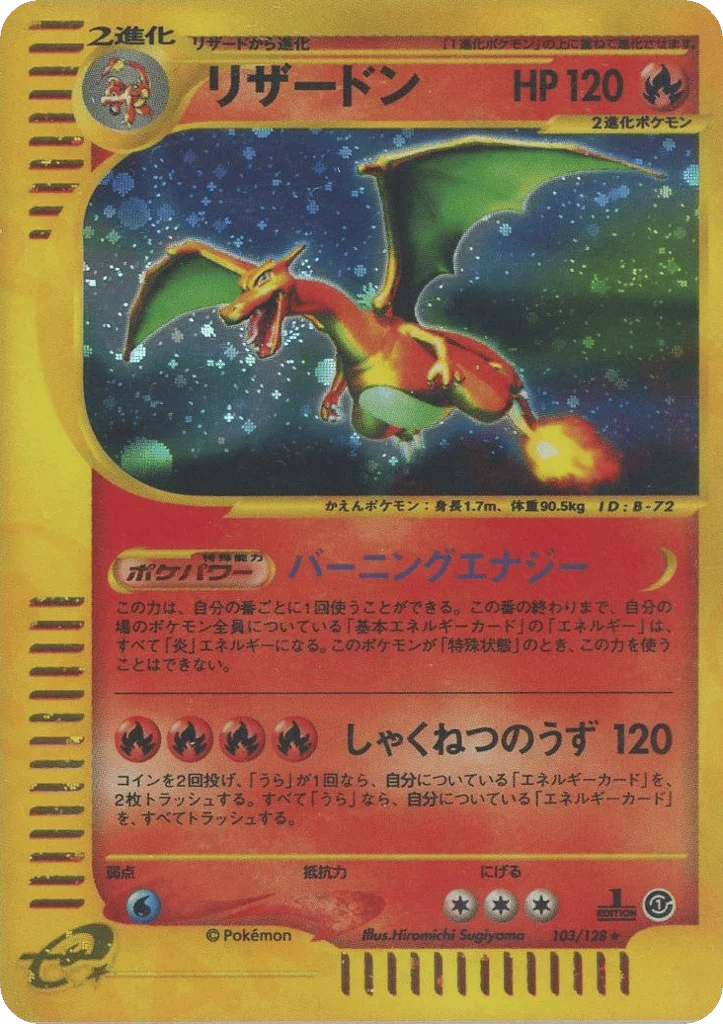
Right behind it are the 1999 1st Edition Base Set Charizard in top grades — the card that is Pokémon to a generation — and the various Trophy cards (the No. 1 / No. 2 / No. 3 Trainer and Tropical Mega Battle prizes) given to tournament winners in tiny numbers. Different artwork, same story: scarcity plus nostalgia plus a clean slab.
The three things that actually set the price
You will never own a Pikachu Illustrator, but the same levers price the cards you can buy:
1. Scarcity you can measure. Print runs, 1st-edition stamps and graded population are the real supply. A card with 50 gem-mint copies behaves completely differently from one with 5,000 — which is why we show the graded population next to every price, not just the price.
2. Demand that doesn’t fade. Iconic Pokémon (Charizard, Pikachu, the Eeveelutions) and first-of-an-era cards hold demand across decades. You can browse a single character’s entire market on its hub — for example every Charizard card or Pikachu card, ranked by value.
3. Condition, certified. At the top of the market the gap between a 9 and a 10 can be a multiple, because gem-mint survivors of a 25-year-old card are genuinely rare. Grading turns “looks clean” into a number the whole market trusts.
How to read a “most valuable” claim
A single eye-watering sale makes a great headline and a terrible price guide. One auction, one celebrity buyer, one mis-grade, and the “value” is wrong. That is why we mark every card at the median of recent sales within a grade, never a lone record — the full reasoning is in how we calculate market cap. Want to see where the big money actually sits today? The screener ranks the whole catalog by market cap and volume, and you can start from a famous set like the Japanese Base Set.
- The record holders (Pikachu Illustrator, 1st Ed Charizard, Trophy cards) are all extreme scarcity + huge demand + gem-mint condition.
- The same three levers — measurable scarcity, durable demand, certified condition — price every card you can actually buy.
- Judge a card by the median of recent sales in its grade, not one record auction.
- Use a Pokémon hub or the screener to see real, current value instead of headline numbers.