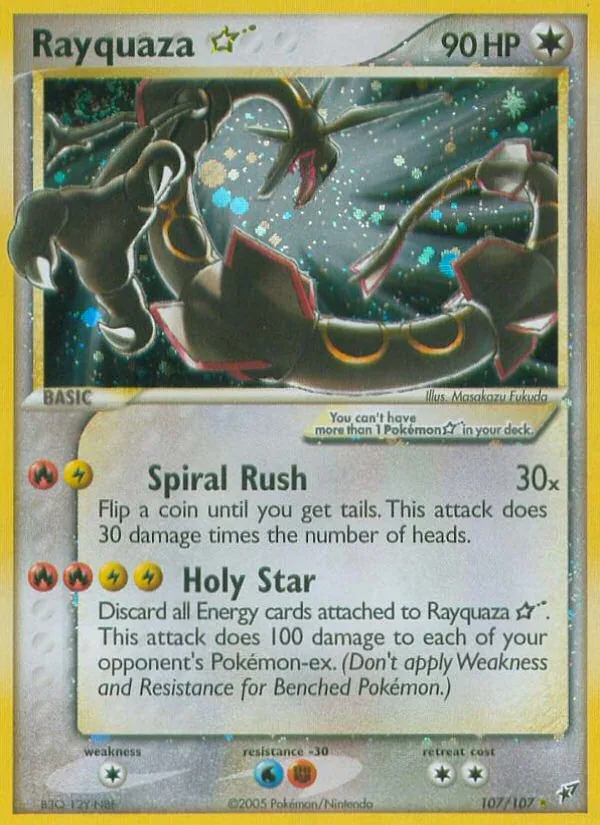
Are Pokémon Cards a Good Investment? What the Numbers Show
“Are Pokémon cards a good investment?” is the wrong question, because it has no single answer — a sealed 1st-edition booster and a bulk common are not the same asset class. The useful question is: which cards have behaved like investments, why, and what can go wrong. Here is the honest, data-grounded version. (None of this is financial advice.)
What has actually driven returns
Strip away the hype and the cards that have appreciated share a profile: genuinely scarce (low print run or thin graded population), tied to durable demand (iconic Pokémon, first-of-an-era cards, sealed vintage product), and held in high certified grade. The same three levers that price the record-breaking grails scale all the way down. A modern bulk rare with millions of copies has none of them.
The market doesn’t pay for cardboard. It pays for scarcity that people care about.
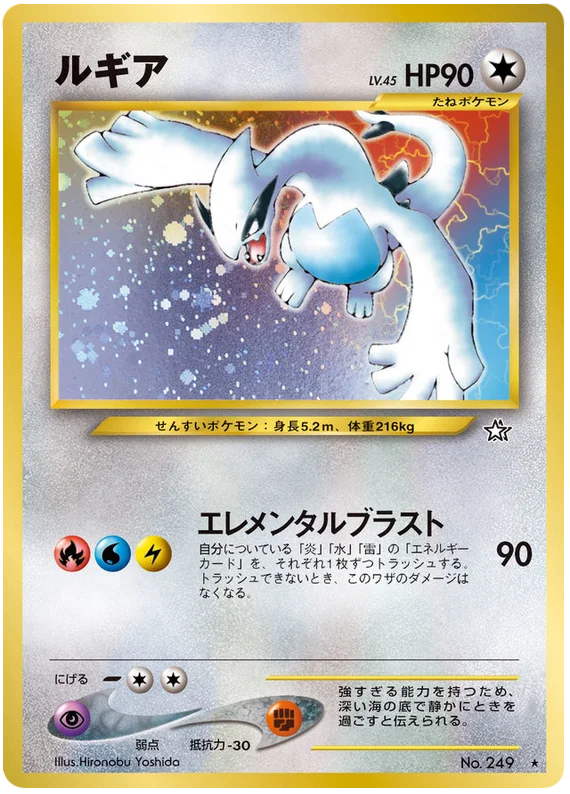
Grading is part of the “investment”
For higher-value cards, the grade is not a detail — it’s most of the thesis. The jump from a 9 to a 10 can be a multiple because gem-mint survivors are rare. That also means the “return” on a raw card includes the gamble of grading it. We treat every grade as its own market for exactly this reason — see PSA 10 vs raw.
The risks nobody puts in the thumbnail
Liquidity. A card is only worth what someone will pay today. Thin volume means a confident-looking price can rest on two trades a month — which is why we show volume next to every mark, not just the price.
Volatility & hype cycles. The market moves in waves driven by attention. Buying the top of a hype cycle is the single most common way people lose money on cards.
Fakes & condition surprises. Counterfeits are good and getting better, and a card can grade lower than you hoped. Both are why certified, graded copies trade at a premium.
How to think about it with data
Whatever you decide, decide with numbers, not vibes. Track real median sale prices, graded market caps and population instead of a lone listing; compare cards on the same footing with the screener; watch the whole market with the indices; and read a single card or character — like every Charizard — by its full price history and population, not its best-ever sale. The methodology behind those marks is in how we calculate market cap.
- The cards that behaved like investments are scarce + in durable demand + in high certified grade — the median card is worth cents.
- For valuable cards the grade is most of the thesis; a raw card includes the gamble of grading it.
- Real risks: liquidity (thin volume), hype-cycle timing, fakes and condition surprises.
- Decide with data — median sales, market cap, population and volume — not a single headline price. Not financial advice.