Base Set Charizard Value Guide: Which One Do You Have?
“I have a Base Set Charizard” is the start of a conversation, not the end of one. There is no single Base Set Charizard — there are several, separated by language, edition and print run, and they’re worth amounts that differ by orders of magnitude. Before you value one, you have to identify which you’re holding.
English vs Japanese — two different cards
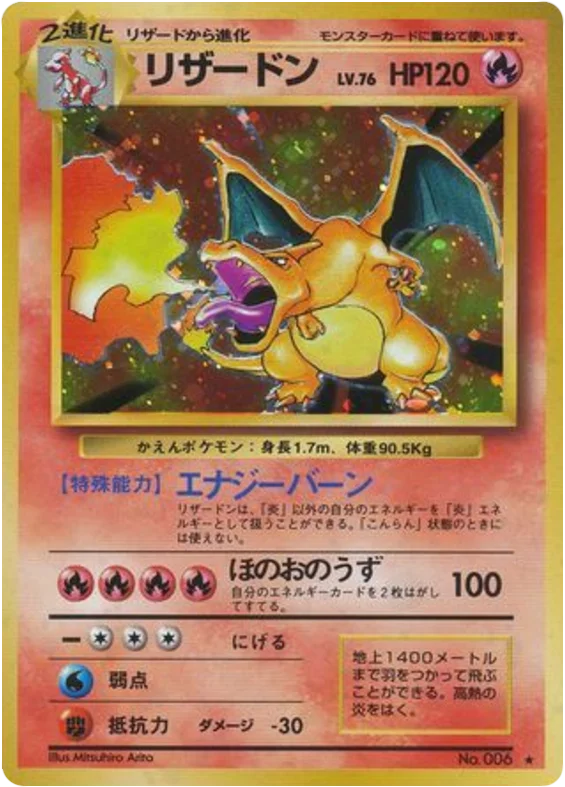
The English Base Set Charizard (the famous 4/102) and the Japanese Base Set Charizard look similar but are distinct markets with their own editions and prices. On PokéTT we track the Japanese side closely, because it’s where the earliest prints — and some of the most interesting scarcity — live. If you have the Japanese card, you’re on the original branch of the family tree.
The editions that move the price
On the English side, the ladder runs 1st Edition (the stamp) > Shadowless (no drop-shadow on the art box, an early print) > Unlimited. Each step down is a big price step. On the Japanese side, the key distinction is the “No Rarity” first prints versus later runs — a subtlety that’s easy to miss and expensive to get wrong. We break the English edition ladder down in 1st Edition vs Unlimited.
Don’t forget the other vintage Charizards
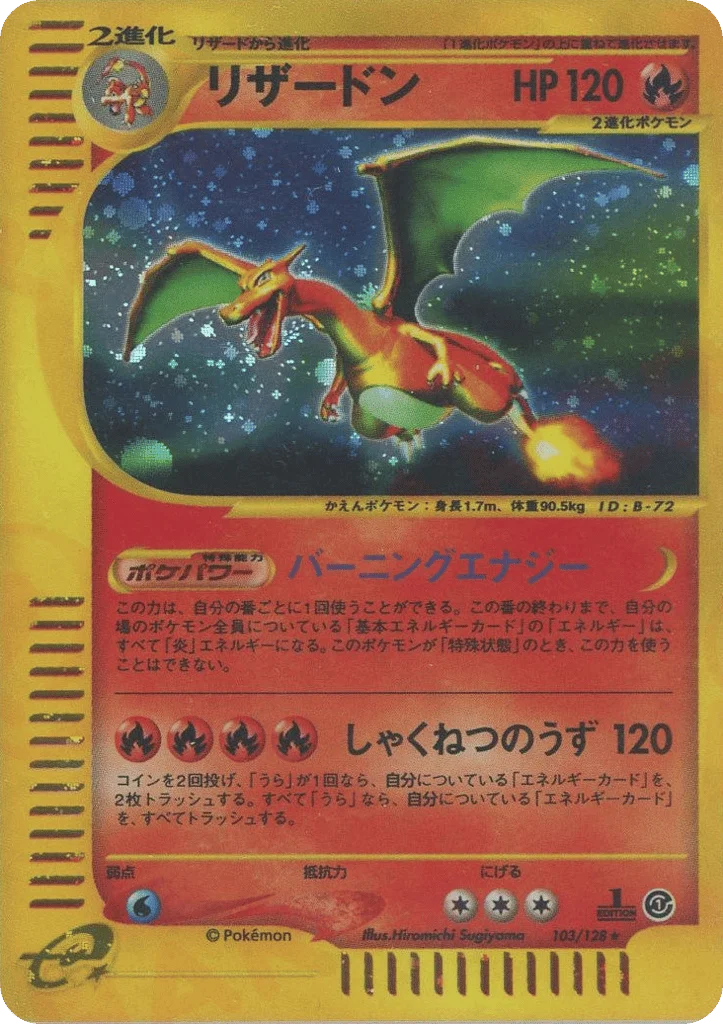
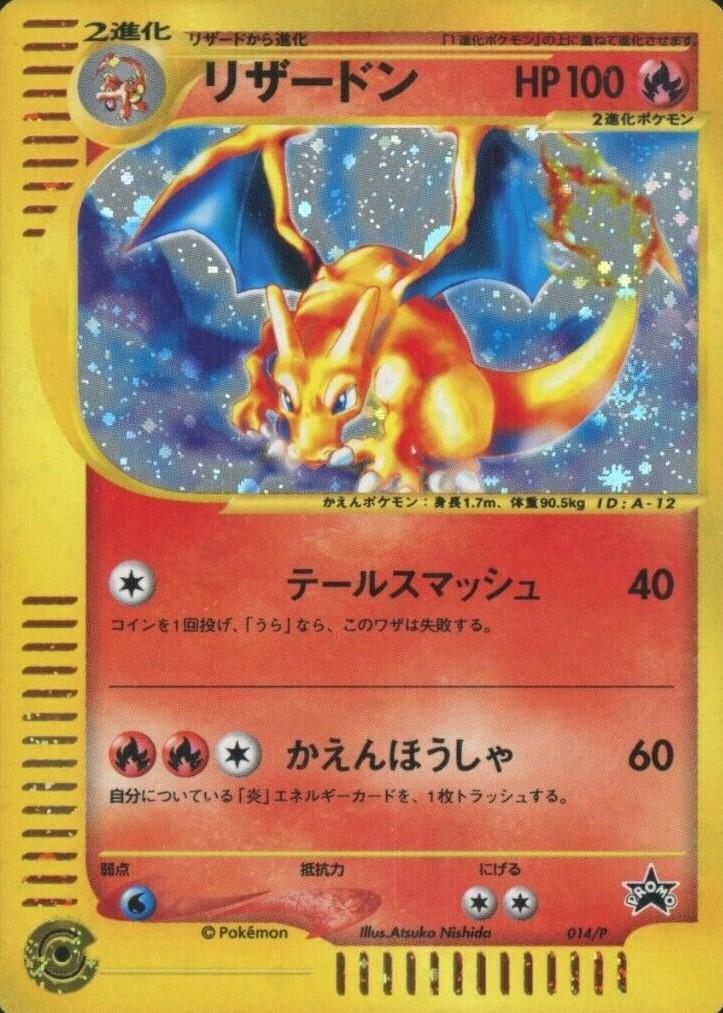
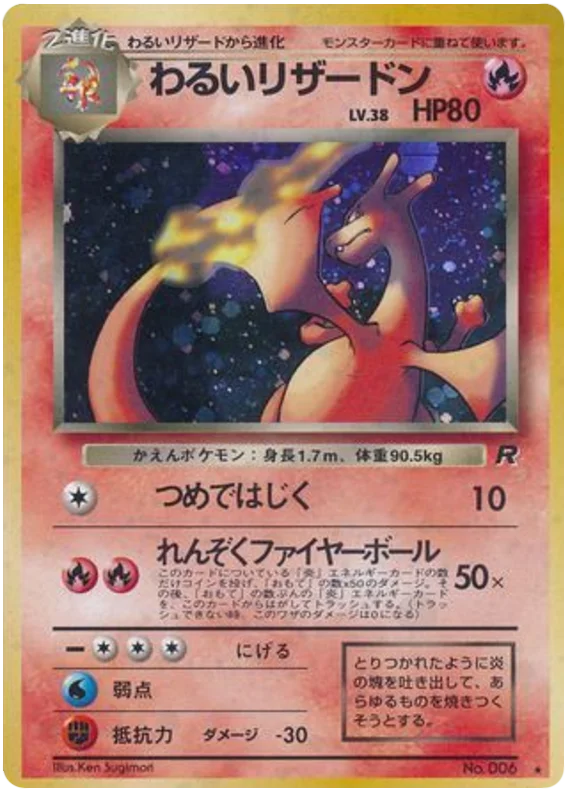
Base is only the start. The Expedition Charizard (the e-Card holo), the Team Rocket Dark Charizard, and a run of vintage promos all have their own followings and prices. The whole family is worth knowing before you assume “Charizard = Base Set.”
How to actually value yours
Identify the exact card and edition, grade it honestly (or read it for grade potential — see reading a vintage Japanese card), then price it at the median of recent sales for that exact edition and grade — never a blended average across editions. For the broader Charizard landscape, see the most valuable Charizard cards, and check your specific copy against the market on the grading tools.
- There are several Base Set Charizards — English (4/102) and Japanese are separate markets.
- English ladder: 1st Edition > Shadowless > Unlimited; Japanese: watch the “No Rarity” first prints.
- Value ≈ edition × condition × grade; Base holos suffer from centring, so grade swings hard.
- Identify the exact edition, then price to the median for that edition and grade — never blended.