Gold Star Pokémon Cards Explained: The EX Era’s Grails
For a certain generation of collector, nothing hits like a Gold Star. They were the endgame of the EX era — a shiny Pokémon, a tiny gold star where the rarity symbol usually sits, and a pull so rare it defined opening a box. Two decades later they’re among the most chased vintage-modern cards in the hobby, and the reasons why are better than nostalgia alone.
What a Gold Star actually is
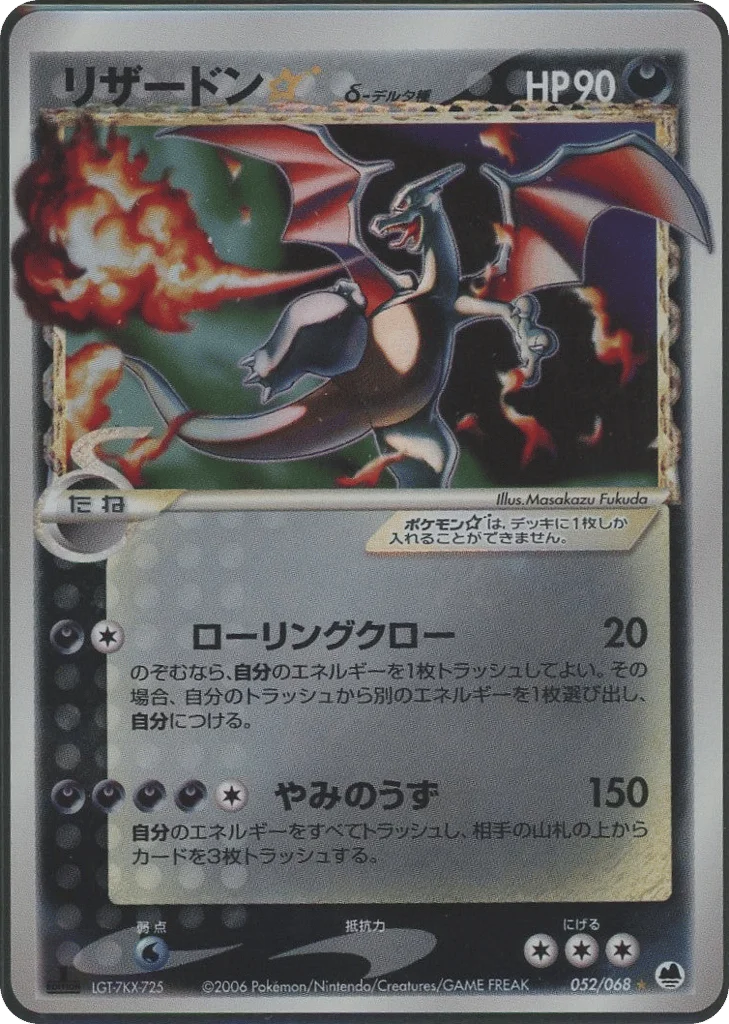
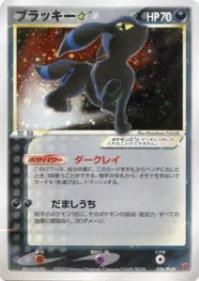
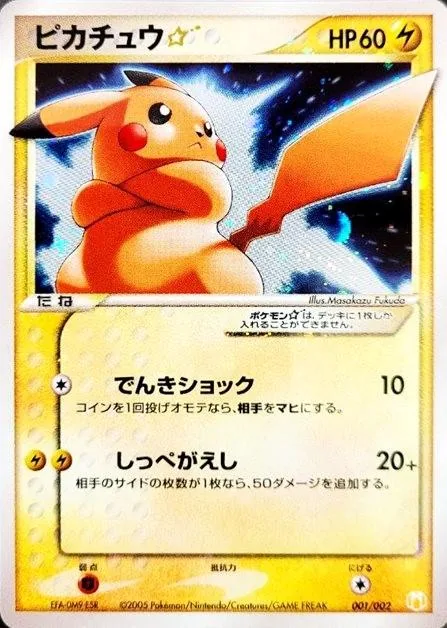
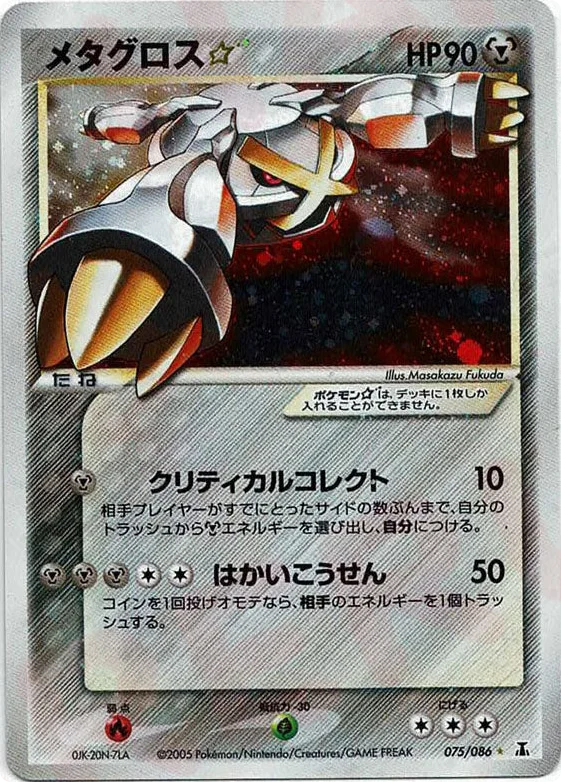
A Gold Star card depicts a shiny (alternate-colour) Pokémon — a red Gyarados, a silver-grey Charizard — and marks itself with a small gold star next to the name in place of the usual rarity symbol. They ran through the EX era (roughly 2004–2007 in English, with Japanese counterparts across the EX sets and promos). The Dragon Frontiers Charizard Gold Star is the poster child.
The facts that surprise people
Two details elevate Gold Stars from “rare” to legendary. First, the pull rate: roughly one Gold Star per two booster boxes — on the order of 1 in 72 packs — which made them genuinely painful to hit in their day. Second, and the detail even seasoned collectors miss: every English Gold Star was illustrated by the same artist, Masakazu Fukuda. A whole sub-genre of the hobby’s grails, one hand.
Why they still command premiums
Gold Stars combine everything the market pays for: real scarcity (that pull rate, now 20 years of attrition later), beloved art (shiny versions of iconic Pokémon), and a nostalgia cohort firmly in its spending years. They price like what they are — a scarcity-plus-demand asset — so we mark them at the median of recent graded sales, and condition swings them hard given their age (read reading a vintage Japanese card). For where they sit among the all-time greats, see the rarest Pokémon cards, and for how the rarity symbol fits the wider ladder, Japanese rarities explained.
- Gold Stars show a shiny (alternate-colour) Pokémon and a gold star in place of the rarity symbol.
- EX era (~2004–2007 English, plus Japanese EX sets and promos); pull rate ≈ one per two boxes.
- Every English Gold Star was illustrated by one artist — Masakazu Fukuda.
- Player’s Club promo Gold Stars (Umbreon, Espeon…) are the scarcest and priciest of all.