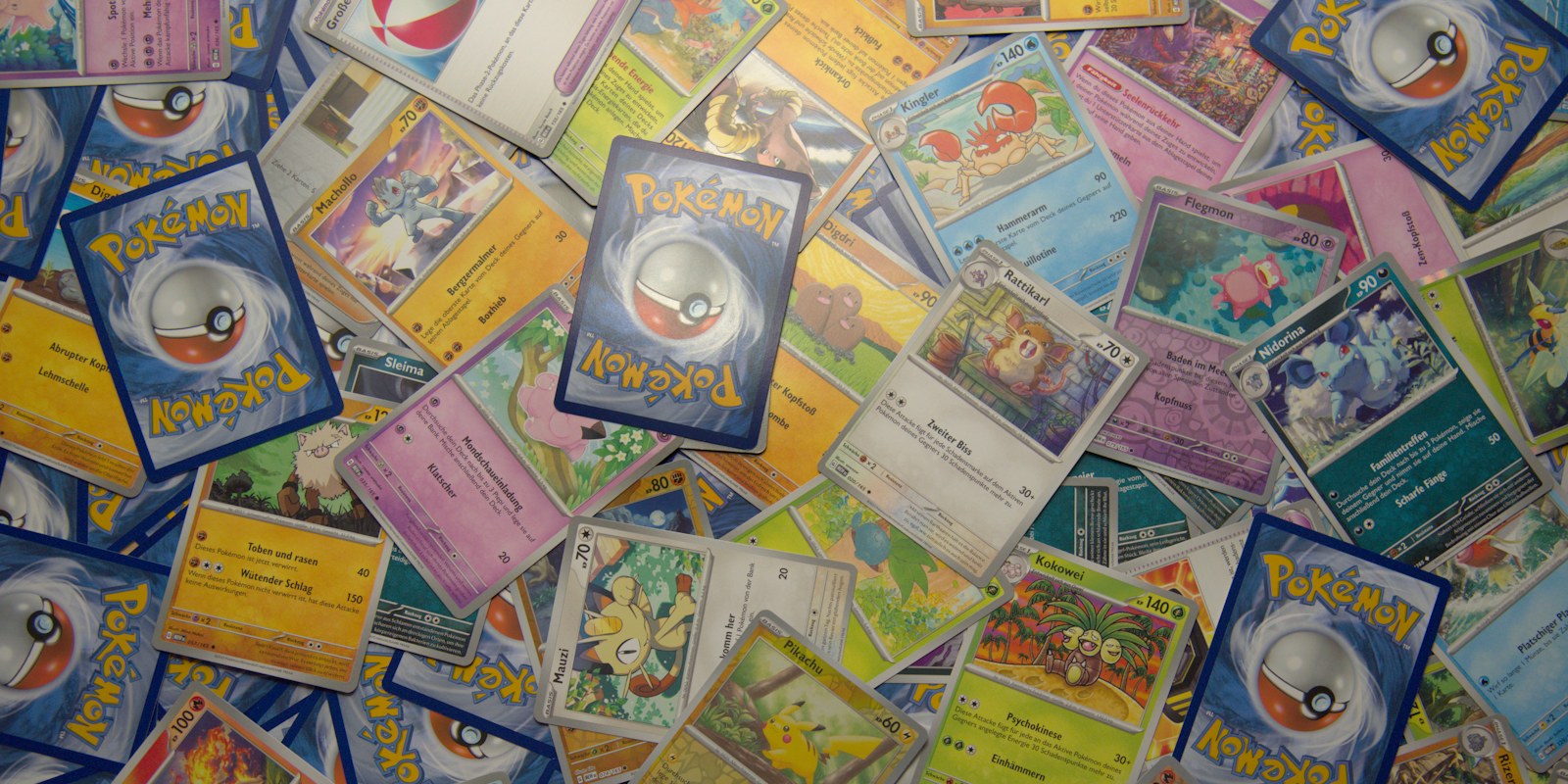
Vintage vs Modern Pokémon Cards: Which Is the Better Investment?
“Vintage or modern?” sounds like a quality question. It’s really a strategy question, because the two behave differently. Vintage is a bet on scarcity; modern is a bet on momentum. Neither is universally “better” — but each carries a risk the other doesn’t, and knowing which game you’re playing changes everything about how you buy.
The case for vintage
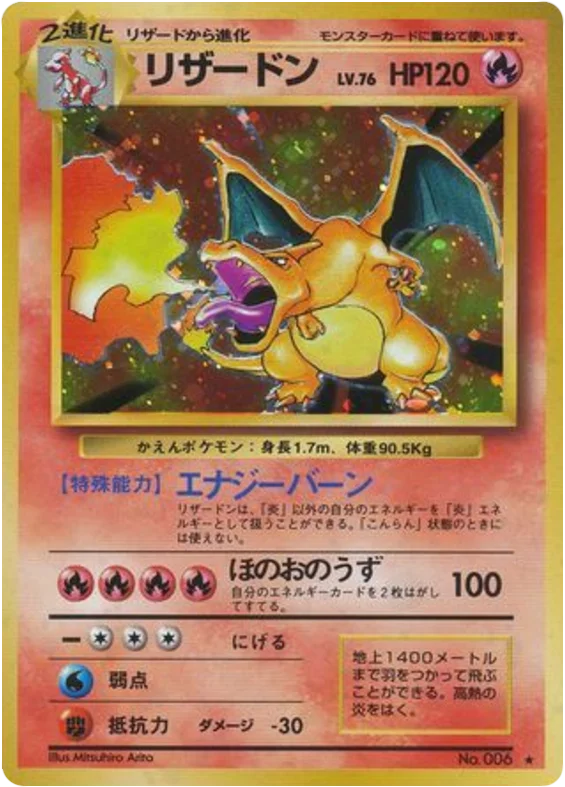
Vintage cards have fixed, shrinking supply: no more will be printed, and every year some are damaged, lost, or locked into slabs. They carry the deepest nostalgia — the people who opened them as kids are now adults with money — and they’ve already proven they hold demand across decades. The downsides are real too: a high entry price, counterfeit risk, and brutal condition sensitivity.
The case for modern
Modern cards are liquid and accessible: far more of them, lower entry prices, fresh art that pulls in new collectors, and enough trading volume that you can actually buy and sell near the median. The catch is the one vintage doesn’t have — reprint risk. If a modern set sells well, more can be printed, and fresh supply caps the upside. Modern also hasn’t had time to prove which cards stay wanted a decade out.
How to actually blend them
Most sensible collections hold both: vintage grails for the scarcity floor, modern chase cards for the liquidity and the fun. Judge vintage on edition, grade and population; judge modern on the four factors in our sets framework (durable chase card, tight print run, real graded market, era). And watch out for froth on either side — the tests in froth vs value apply to a hyped vintage auction as much as a modern one. Compare the two eras head-to-head by market cap and trend on the heatmap, and see the bigger picture in are Pokémon cards a good investment.
- Vintage = a scarcity bet (fixed supply, deep nostalgia, proven demand); modern = a momentum bet (liquid, accessible, fresh art).
- Vintage’s risk is authenticity + condition; modern’s risk is reprints + unproven staying power.
- Price each card for its own risk, and most collections sensibly hold both.
- Judge vintage on edition/grade/population; judge modern on the chase card, print run, graded market and era.