How to Spot a Fake Japanese Pokémon Card
Counterfeits have gotten good. The obvious fakes — glossy fronts, cartoon-bright colours — still exist, but the dangerous ones copy the art, the holo and the back closely enough to fool a quick glance. The good news: a genuine Japanese card gives up several tells at once, and you only need a couple of them to agree before you buy.
Start with the light test
Real Pokémon cards are a sandwich: two printed layers with a thin black core in the middle. Hold a card up to a bright light — a genuine card blocks almost all of it and the edge shows a dark line; many fakes let light through or show a grey, fuzzy core. It’s the single fastest check, it costs nothing, and it catches a large share of counterfeits before you look at anything else.
Feel the texture and watch the holo
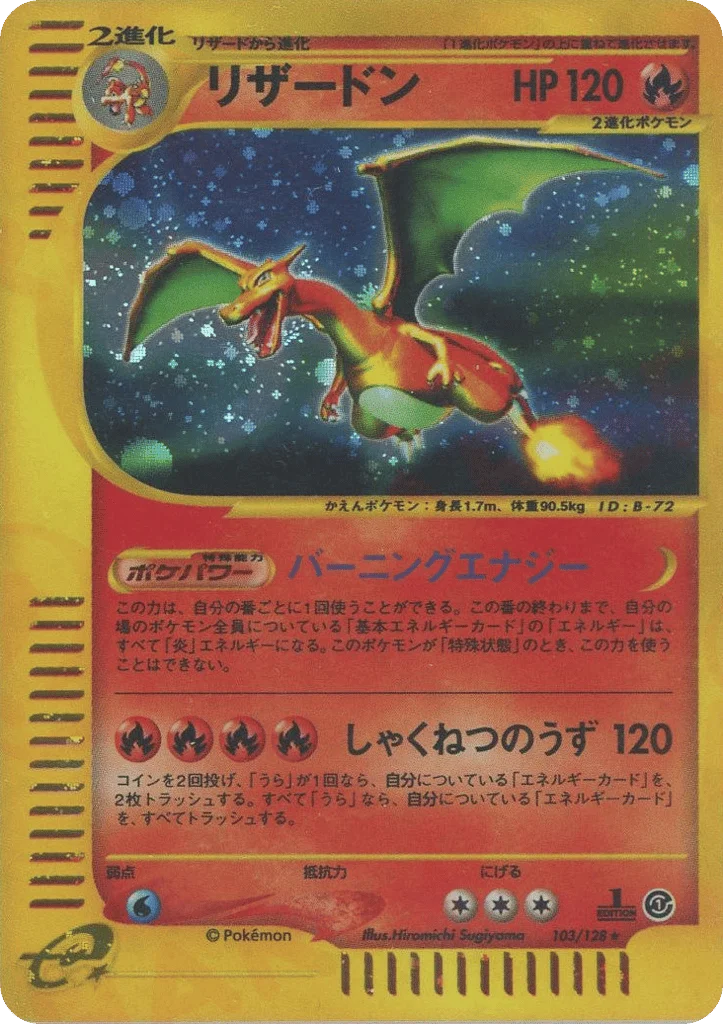
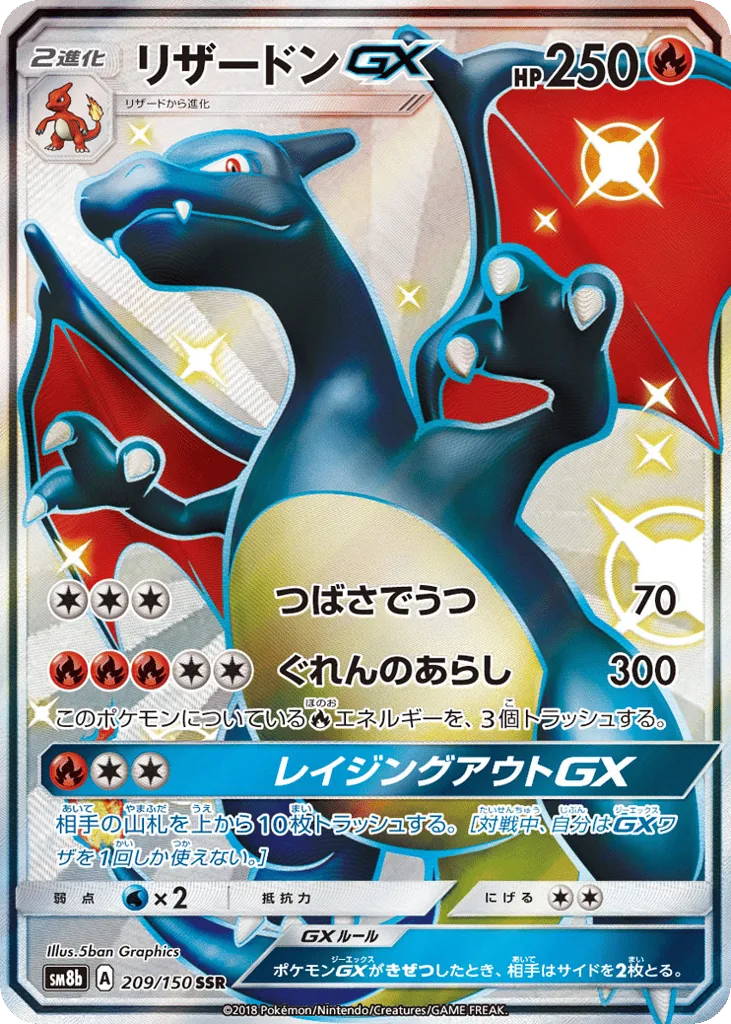
Genuine holofoil has a clean, consistent shimmer that moves smoothly as you tilt the card; modern full-arts and textured rares have a deliberate, repeating emboss you can feel with a fingernail. Fakes tend to be either dead-flat with a printed “sparkle,” or grainy and uneven. If the holo looks painted on rather than layered under the art, be suspicious.
Read the print up close
Under a phone macro lens, real cards show a tight, clean dot pattern; counterfeits often show a coarser rosette, slightly blurry text, or an off font. Check the small stuff: the energy symbols, the set icon, the card number and rarity code in the corner (if the rarity letter looks wrong for the card, that’s a red flag — see our guide to Japanese rarities). Colours that are too dark, too saturated, or slightly misaligned are classic giveaways.
Trust the paper trail, not the photo
Weight and size are consistent across genuine cards; a fake often feels a touch thin or flimsy. But the real protection is the market around the card: a vintage holo with no graded sales history, priced suspiciously below the median of recent genuine sales, is a warning in itself (it’s why we price off real, graded comps — see how to tell if a card is valuable).
When it matters, let a grader decide
For anything expensive, the simplest safety net is to buy it already graded, or send it in yourself — the major grading companies authenticate before they slab, so a genuine holder is both a condition and an authenticity guarantee. We cover when that’s worth it in PSA 10 vs raw, and the vintage-specific tells in how to read a vintage Japanese card.
- Light test first: a genuine card blocks light and shows a dark core at the edge.
- Real holo is crisp and layered; real texture you can feel — printed “sparkle” is a fake.
- Under magnification, check dots, fonts, energy symbols and the corner rarity code; compare the back.
- For anything pricey, buy it graded (or grade it) — the slab authenticates as well as grades.