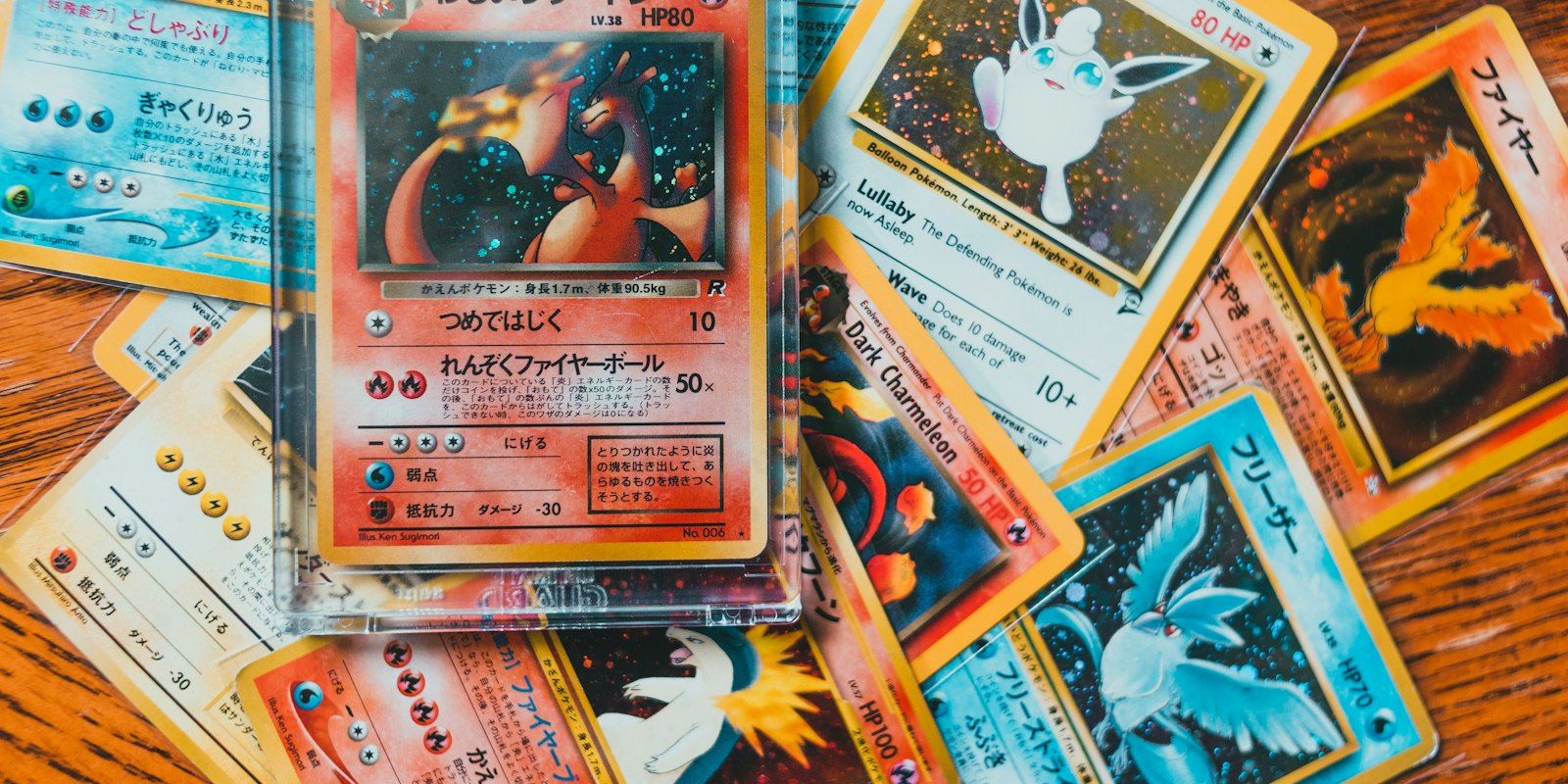
Which Japanese Pokémon Sets Are Worth Watching? A Framework
“What’s the next big set?” is the wrong question — it invites hype and hindsight. The better one is repeatable: what makes a set worth watching in the first place? Four things do most of the work. Score a set on all four and you’re reading structure, not Twitter.
1. Does it have a durable chase card?
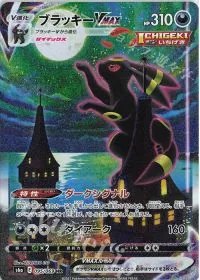
A set lives or dies by its icon. Eevee Heroes is the textbook case: one card — the Umbreon VMAX “Moonbreon” — became a hobby-wide must-have, and it carried the whole set, singles and sealed alike. Ask whether the chase card has lasting appeal (a beloved Pokémon, an iconic artist, a genuinely special art) or just a launch-week spike.
2. How tight is the print run?
Scarcity is the other half. A set that was under-printed, short-lived, or is already hard to find sealed has a supply tailwind; a set still stacked on shelves — or one that got reprinted — has a headwind no chase card fully fixes. High-class packs and anniversary sets often print differently from main-series boosters, which is why two sets from the same year can age completely differently. (This is the whole risk in buying sealed.)
3. Is the graded market real?
Hype is loud; a graded market is honest. Look at whether the set’s key cards have a genuine graded population and a steady stream of real sales — not one auction and a lot of asking prices. Depth of trading is what lets you actually buy and sell near the median, instead of being stuck with a “valuable” card nobody’s bidding on. A card like the VMAX Climax Pikachu V has that kind of liquid, well-traded market behind it.
4. Era and nostalgia
Finally, time. Vintage sets have fixed supply and a nostalgia base that keeps widening as collectors age into disposable income; modern sets have fresh art and bigger print runs but unproven staying power. Neither is “better” — but knowing which game you’re playing (scarcity vs. momentum) changes how you weigh the first three factors.
Put it together
A set worth watching usually has a durable icon, a tight or tightening supply, a liquid graded market, and an era working in its favour. Miss two of the four and the hype is probably ahead of the fundamentals. Run any set through that checklist on the sets page before you buy the story — and see how we value it all.
- Judge a set by structure, not hype: chase card, print run, graded market, era.
- A durable icon (like Eevee Heroes’ Umbreon VMAX) is the single biggest factor.
- Prefer a real, liquid graded market over one loud auction — it’s what lets you trade near the median.
- Compare sets by market cap + trend on the /sets page and /heatmap instead of guessing.