
Are Pokémon Cards in a Bubble? How to Tell Froth From Value
“Is this a bubble?” comes back every time the market rallies — and it’s the wrong question asked at the wrong altitude. A bubble is when price detaches from fundamentals. Some corners of the card market do exactly that; others are backed by real, durable demand. The useful skill isn’t calling the whole market a bubble or not — it’s telling which cards are froth and which aren’t.
The case for froth
There’s genuine speculation in the hobby: hype cards that spike on a YouTube video or a restock frenzy, sealed product bought purely to flip, and modern chase cards whose prices run far ahead of how many people actually want them long-term. When a card’s rise is powered by “it’s going up” rather than by collectors who want to own it, that’s the textbook setup for a reversal.
The case for durable demand
Against that sit real, slow forces. The nostalgia cohort keeps widening as people who grew up with Pokémon age into disposable income. Vintage supply is fixed and shrinks as cards are damaged, lost or locked in slabs. And Japanese cards now have genuinely global demand. Those aren’t hype; they’re the fundamentals a price can legitimately rest on.
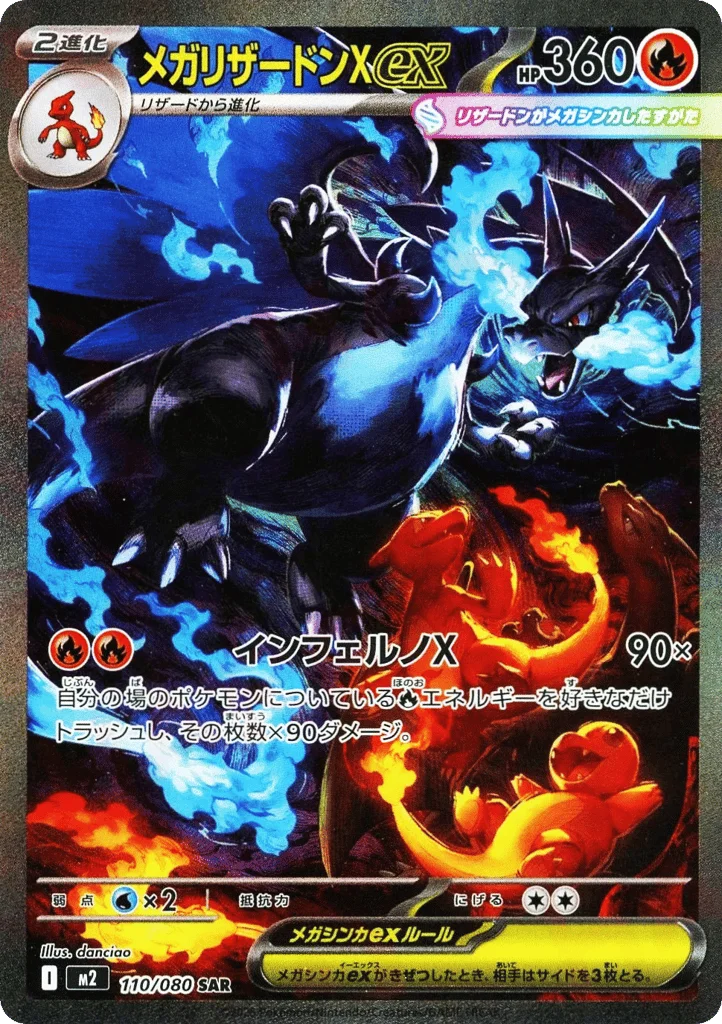
Why the index can lie (in both directions)
A market-wide index can sit flat while individual cards 10× and crash underneath it — averages hide the froth. That’s why we don’t judge the market from one number. We mark each card at the median of real sales, then look at breadth: is value spread across cards and eras, or concentrated in a few hype names? The heatmap shows that at a glance — a sea of green on thin volume is a warning, broad steady strength is not — and the screener lets you check any card’s liquidity before you buy the story.
What to actually do
You don’t have to answer “bubble or not” to invest sensibly. Favour cards that pass the three tests, spread across eras instead of chasing one hot name, and size speculative positions like the lottery tickets they are. For the fuller picture, see are Pokémon cards a good investment.
- A bubble is price detached from fundamentals — it lives in specific cards, not “the market” as a whole.
- Froth: hype-driven, thin-volume, one-auction cards. Value: liquid, broad, with real graded depth.
- An index can stay flat while individual cards spike and crash — judge breadth, not just the average.
- Use the three tests (liquidity, breadth, graded depth), diversify across eras, and size speculation small.