Japanese Pokémon Card Rarities Explained: AR, SR, SAR, UR, CHR & the Rest
Pick up an English Pokémon card and the rarity is simple: a circle, a diamond, a star. Pick up a modern Japanese card and you get an alphabet — AR, SR, SAR, UR, CHR, SSR — that doesn’t map cleanly to anything on the English side. Learn to read it and you’ll know at a glance roughly how scarce a card is, and why two near-identical arts can be worth $5 or $500.
Where the rarity actually is
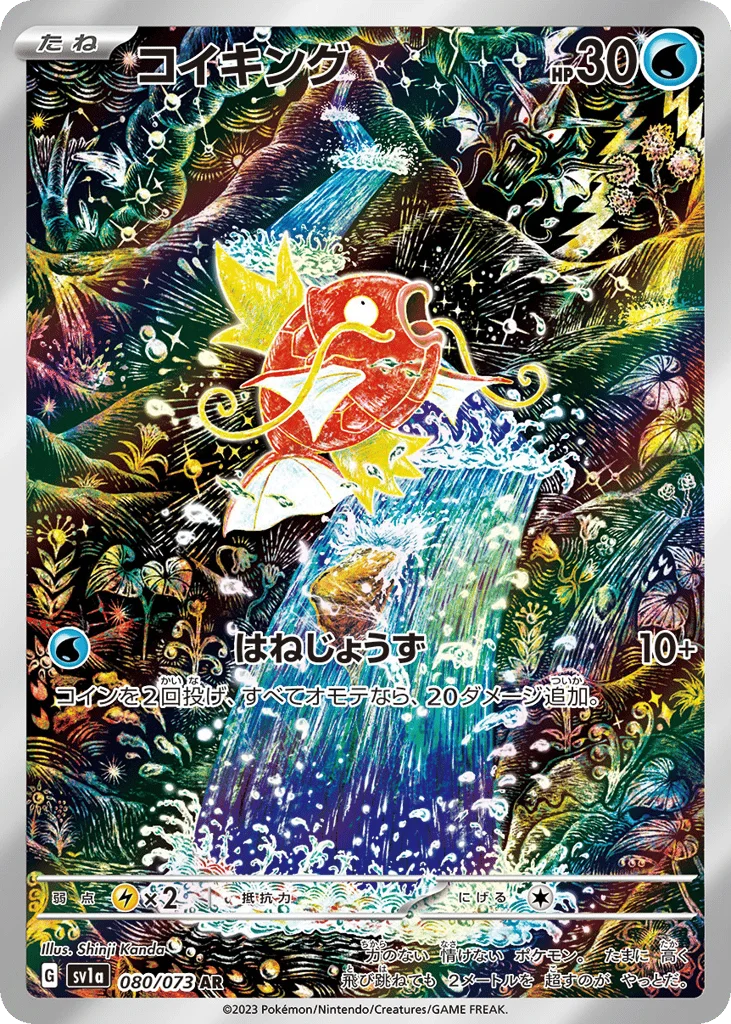
Every Japanese card prints its rarity as a short code in the bottom corner, next to the card number (for example 080/073 with an AR beside it). On full-art cards the code is tiny and sits right on the artwork, so it’s easy to miss — but it’s the single most important thing to read before you buy or sell.
The base ladder: C, U, R, RR, RRR
The everyday rarities run C (Common), U (Uncommon), R (Rare), then RR (Double Rare) and RRR (Triple Rare) for the holo ex / V-style cards. These are your bulk and your mid-tier: plentiful, and priced accordingly. The money starts one rung up.
The full-art tier: AR, SR, SSR
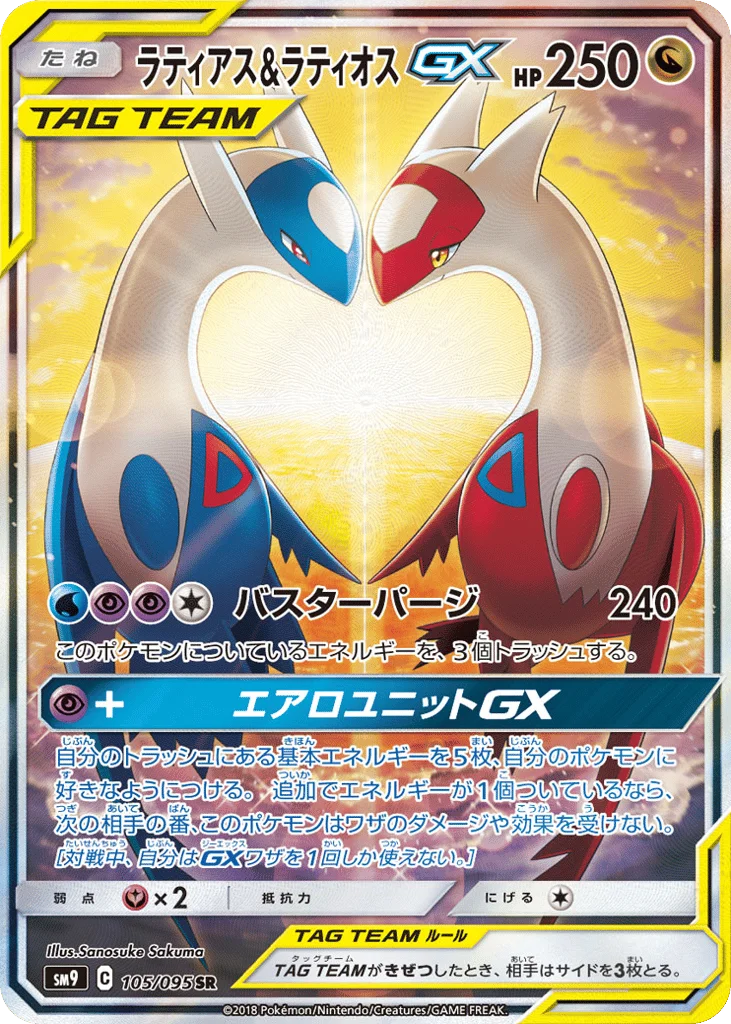
AR (Art Rare) is the gateway full-art — a Pokémon illustrated over the whole card, pulled a few times per box and usually affordable. SR (Super Rare) is the textured, foil full-art a step above it. SSR (Special Super Rare) covers the shiny / “ultra shiny” gold-bordered variants, like the Ultra Shiny Charizard GX.
The chase tier: SAR, UR, HR
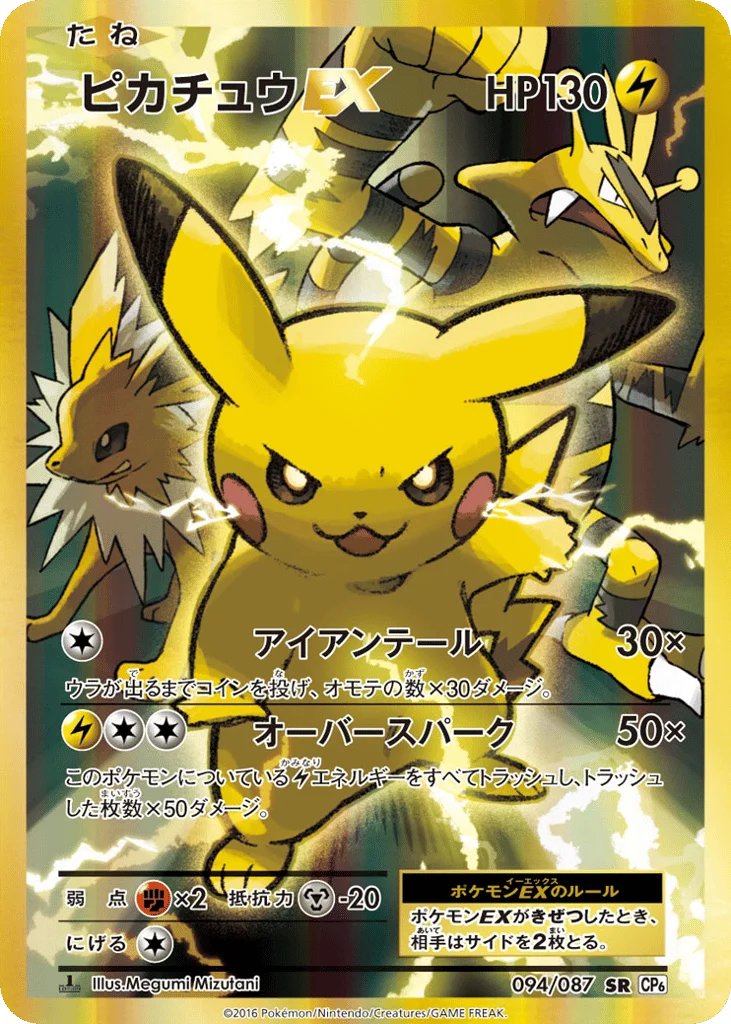
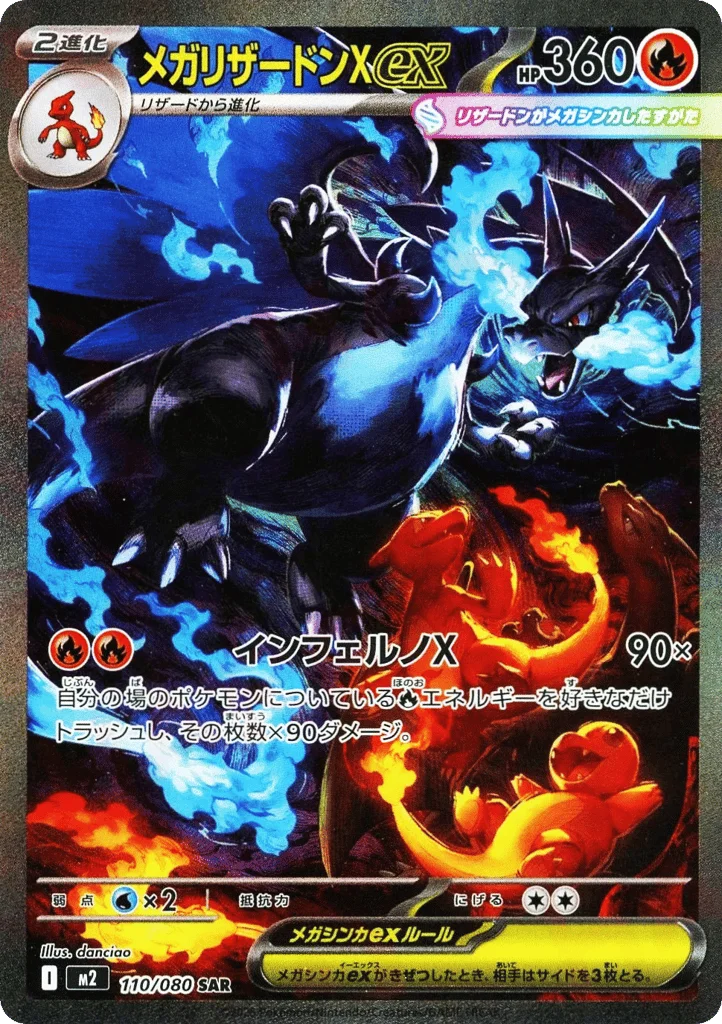
This is where collectors spend. SAR (Special Art Rare) is the alternate / special full-art — the top illustration chase in a modern set, roughly one per several boxes. Our single most valuable card is an SAR: the Mega Charizard X ex on the cover. UR (Ultra Rare) is the all-gold card, scarcer still — like the 20th Anniversary Pikachu ex. HR (Hyper Rare) is the older “rainbow rare” term, home to legends like the Eevee Heroes Umbreon VMAX — the famous “Moonbreon.”
Character rares: CHR and CSR
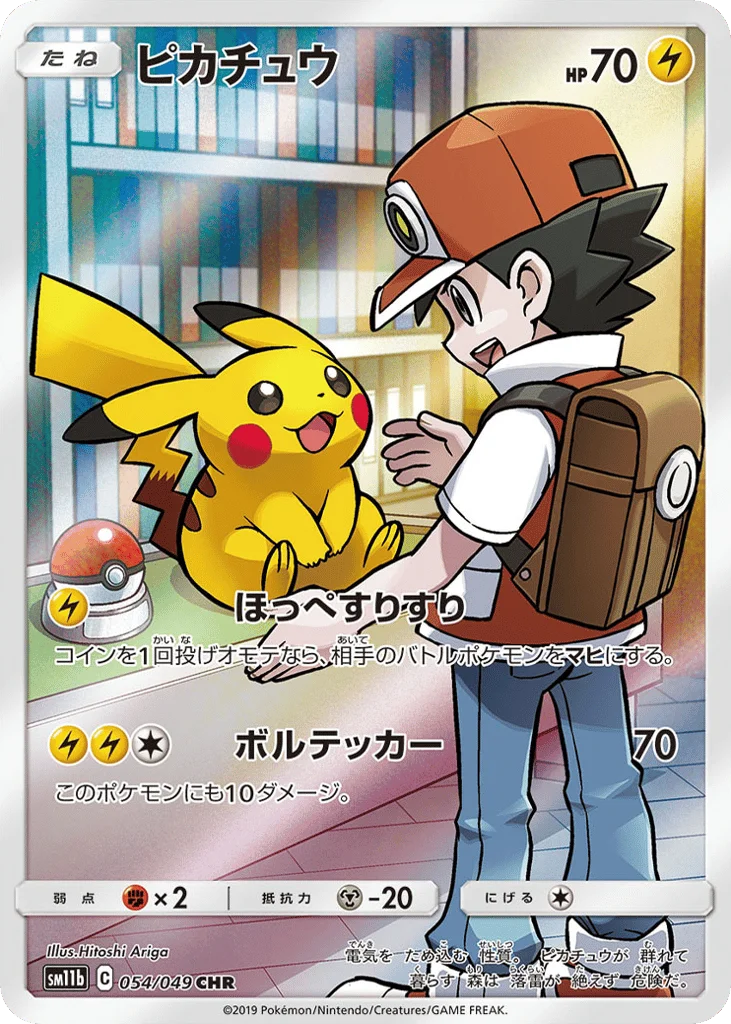
CHR (Character Rare) and CSR (Character Super Rare) arrived in the Shiny Star V era: full-card artwork where the Pokémon shares the scene with its Trainer. They’re some of the most loved illustrations in the hobby — like the Cosmic Eclipse Pikachu.
Why the rarity letter isn’t the price
Here’s the trap: rarity ranks print scarcity, not value. A beloved AR can outsell a gold UR from the same set, because price is demand × real scarcity × condition — not the letter in the corner. That’s why we never price a card off its rarity label; we mark each one at the median of recent graded sales (see how we calculate value), and why grade can matter more than rarity for what you actually pay. For the cards that genuinely sit at the very top, see the rarest Pokémon cards.
- Japanese rarity is a code by the card number: C/U/R/RR/RRR, then AR, SR, SSR, SAR, UR, HR, CHR, CSR.
- Chase tier = SAR (special full-art), UR (gold), HR (rainbow); AR is the accessible full-art.
- CHR / CSR are full-card “character” art — priced for love as much as scarcity.
- The letter tells you the print tier, not the price — value is set by the median of recent graded sales.