Full Art vs Alternate Art Pokémon Cards Explained
“Full art” and “alternate art” get used interchangeably, but they’re not the same thing — and the confusion costs money, because the market pays very differently for each. The short version: full art is a layout, alternate art is a second illustration of the same card. Once you can tell them apart, modern pricing stops looking random.
Full art: the art fills the frame
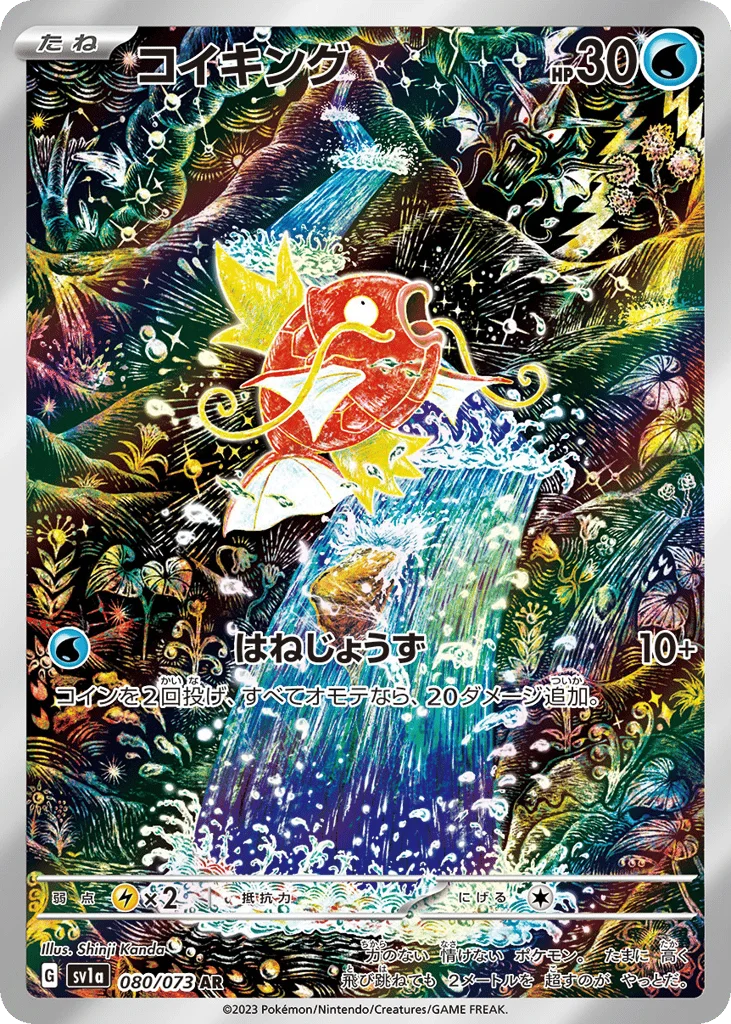
A full art card is one where the illustration covers the entire card — no white border boxing the picture into a window. The Pokémon (or Trainer) is rendered edge to edge, usually with texture you can feel. In the Japanese rarity alphabet this is the AR / SR tier: AR is the accessible full-art pulled a few times per box, SR the textured, foil step above it. The Triplet Beat Magikarp is a classic AR.
Alternate art: a second illustration of the same card
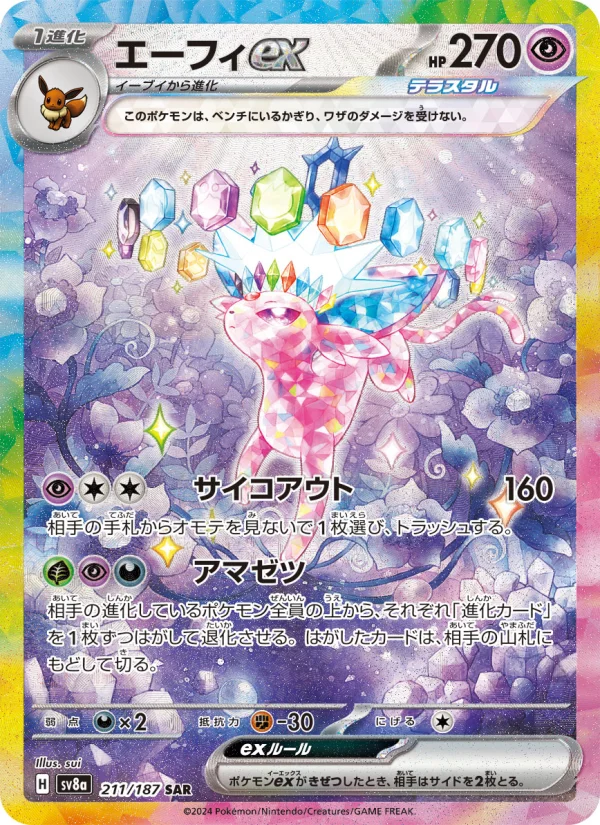
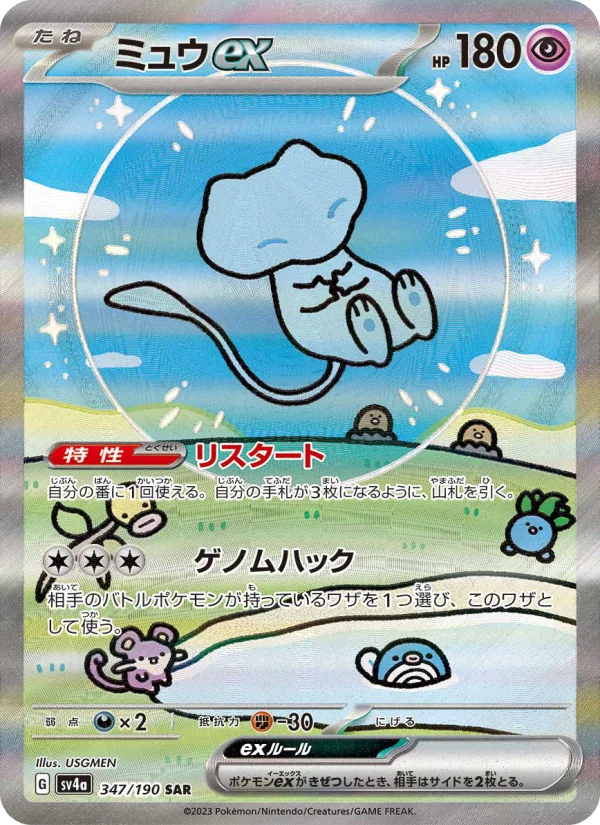
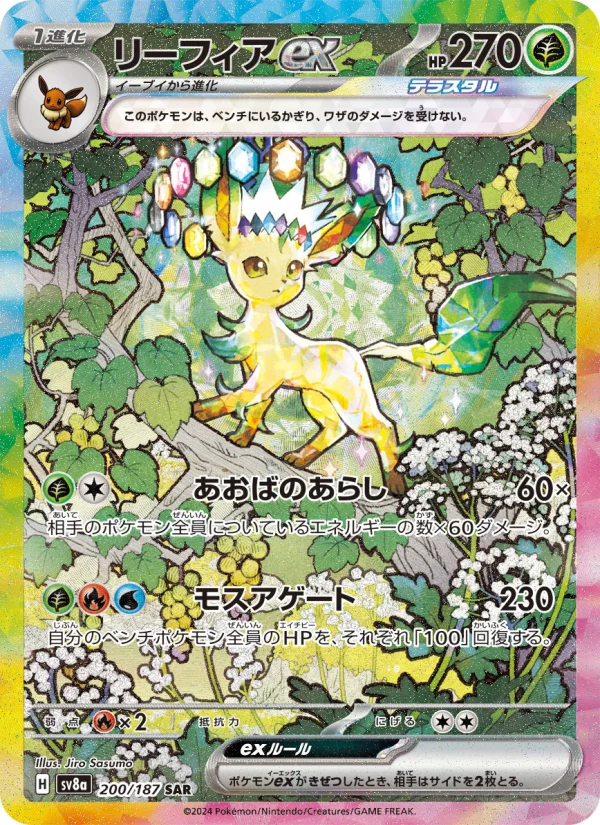
An alternate art (alt art) is when a card that already exists in a standard version gets a completely different, usually scene-based illustration as a rarer chase variant. Same name, same game text — different picture, far fewer printed. In Japan these are the SAR (Special Art Rare) chase cards. The most famous alt art of all is Umbreon VMAX “Moonbreon” — the same VMAX exists in a plain version, but the moonlit alt illustration is the grail.
Why the art, not the rarity, sets the price
Here’s the counter-intuitive part: a beloved alternate art can outsell a technically rarer gold card from the same set, because collectors are buying the illustration. The rarity code tells you the print tier; the art tells you the demand. That’s why we never price a card off its letter — we use the median of real sales, which captures what the art is actually worth. For the full rarity ladder these sit on, see Japanese rarities explained, and to spot which sets have the alt arts worth chasing, use the heatmap and our sets framework.
- Full art = a layout where the illustration fills the whole card (JP: AR / SR).
- Alternate art = a second, rarer illustration of a card that also exists in standard form (JP: SAR).
- Quick test: if a plainer version of the exact card exists and this one has a special scene, it’s an alt art.
- Art drives price more than the rarity letter — a loved alt art can outsell a rarer gold card.