How to Sell Pokémon Cards for the Most Money
The same card can net wildly different amounts depending on three choices you control: where you sell, whether you grade first, and how you price. Get those right and you capture the real market value; get them wrong and you hand margin to a flipper. Here’s how to keep it.
Pick the venue for the card
eBay gives the widest, most global audience and works best for graded cards, where buyers trust the slab. For Japanese-specific demand, the domestic Japanese market can pay more for the right card — though reaching those buyers from abroad is harder. Local shops and group buys are fastest but pay the least (they need a margin to resell). As a rule: graded and valuable → eBay; bulk → a dealer; niche Japanese → Japanese buyers.
Grade first — but only when the math works
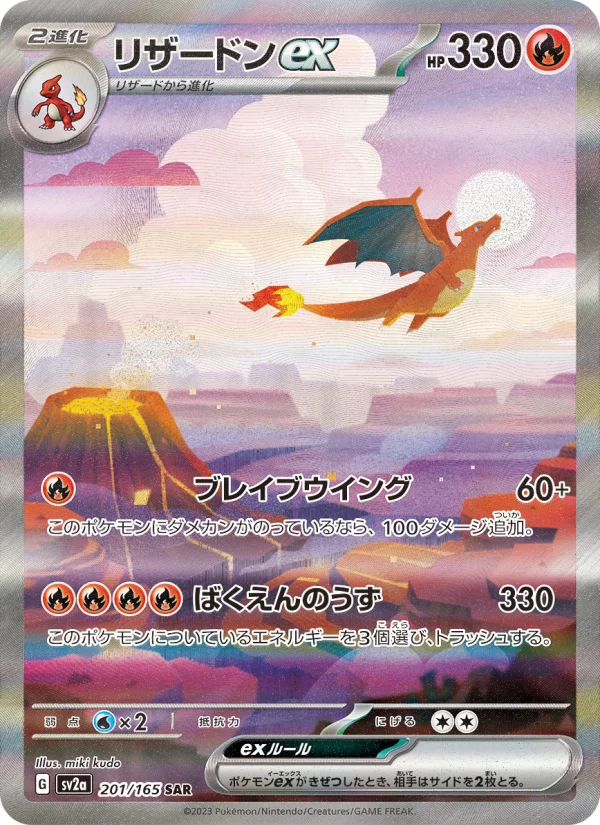
Grading can multiply a card’s price, but only when a top grade is actually scarce for that card. If a 151 Charizard ex already has thousands of PSA 10s, the gem-mint premium is thin and grading may not clear its own cost plus the risk of a 9. Check the gem-mint population and the grade-by-grade spread first — we cover the decision in PSA 10 vs raw, and you can see the real numbers on the grading tools.
Present it so it earns the top of the range
Within a grade, presentation decides where in the range you land: sharp, well-lit photos of the actual card (front, back, corners), an honest condition description, and timing your sale into strength rather than weakness. Watch the screener and heatmap to sell when a card or set is trending up, and if you’re deciding what to let go, start with your most liquid names — they convert to cash cleanly. For buying back in later, see where to buy Japanese cards.
- Match venue to card: graded/valuable → eBay, bulk → a dealer, niche Japanese → Japanese buyers.
- Grade first only when a top grade is scarce for that card — check the gem-mint population and spread.
- Price to the median of recent sales, not the all-time high — the median is what actually clears.
- Good photos, honest condition, and selling into strength capture the top of a grade’s range.