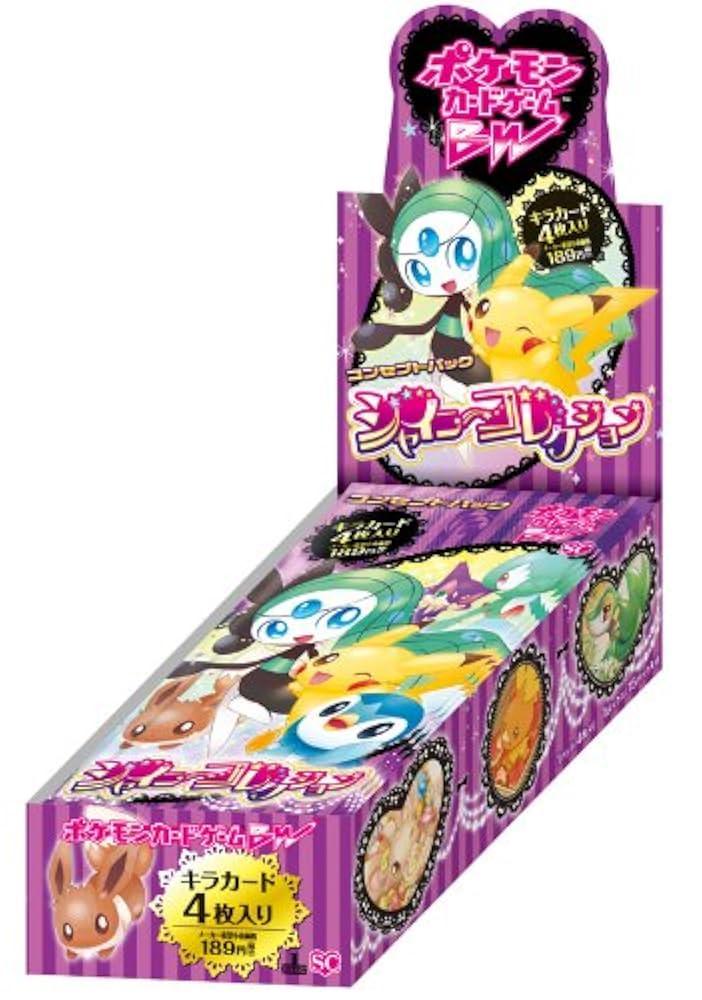
Are Sealed Japanese Pokémon Boxes a Good Investment?
Buying a sealed box isn’t buying a card — it’s buying exposure to a whole set, plus a bet that fewer boxes will exist tomorrow than today. When a set has a beloved chase card, that bet can pay off spectacularly. It can also be quietly beaten by a reprint. The difference is whether the price makes sense against what’s actually inside.
Why sealed appreciates
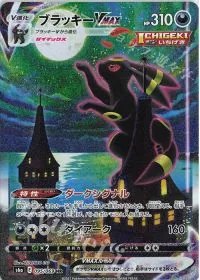
Every box opened is a box that’s gone forever. As collectors crack packs chasing the hits, the sealed supply shrinks while demand for the set’s best cards grows. A set like Eevee Heroes — home to the famous Umbreon VMAX “Moonbreon” — is the poster child: the chase card pulled the singles up, and the shrinking sealed supply pulled the boxes up with them. Sealed also sidesteps condition risk: a factory-sealed box can’t be edge-worn or fingerprinted the way a raw card can.
The risks nobody prices in
Reprints are the big one: if a set sells well, more can be printed, and fresh supply caps the upside. The sealed premium is the second — a box often trades well above the current value of the cards inside, so you’re paying for the lottery, not the contents. And the moment you open it, condition risk begins and the “sealed” premium evaporates. Sealed is also less liquid than a blue-chip single: fewer buyers can write a four-figure cheque for a box.
How to actually decide
Favour sets with a genuine, durable chase card and a known-tight print run, check the box price against EV rather than hype, and size the position like the illiquid, lottery-flavoured asset it is. Sealed is a legitimate way to own a set — just go in knowing whether you’re buying value or buying a scratch-ticket. For the broader picture, see are Pokémon cards a good investment and how we value the cards inside.
- A sealed box is exposure to a whole set plus a bet on shrinking supply — not a single card.
- Upside comes from opened boxes disappearing; the killer is a reprint that refloods supply.
- Compare the box price to the EV of the singles inside (our /sealed tool does this) before buying.
- Sealed avoids condition risk but is less liquid — size it accordingly.