
Pokémon cards with the highest PSA 10 multiplier
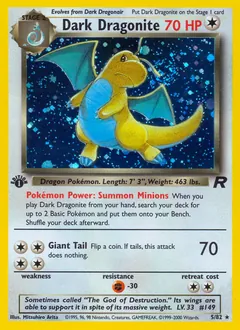
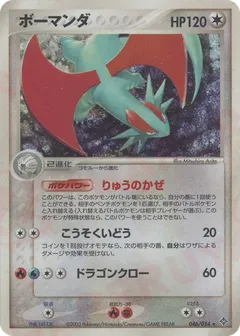
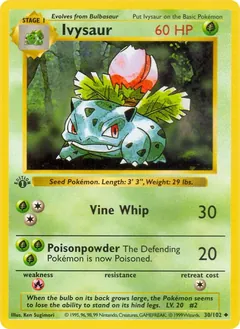
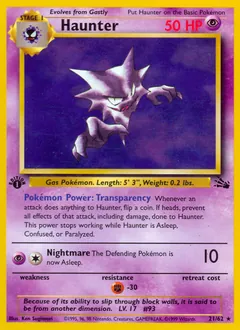
A perfect 10 can turn a cheap card into a genuinely expensive one — the multiplier is just how many times over. The bigger the number, the more tempting the slab, but a huge multiplier usually also means 10s are scarce, so glance at the break-even gem rate before you send anything off. Every card here has real, cross-checked sales behind both numbers — no single lucky (or mismatched) sale gets to decide the ranking.
Updated 5 October 2026 from recorded sales. Prices in USD.









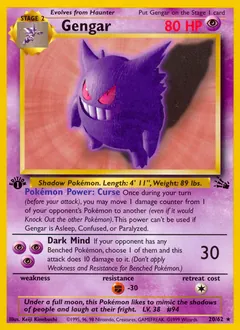
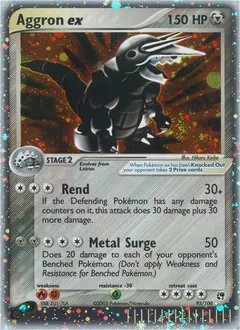

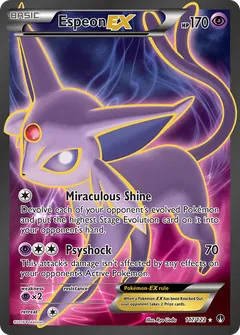
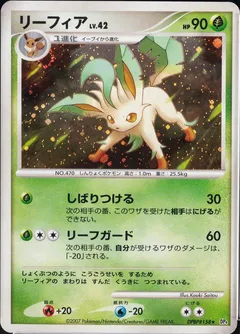
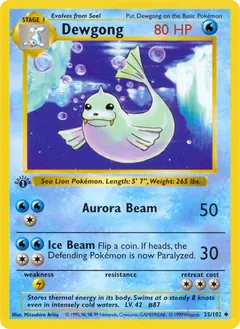


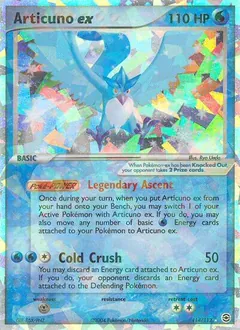

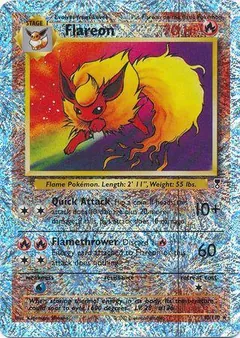
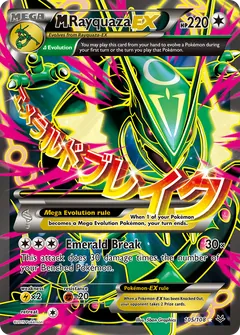

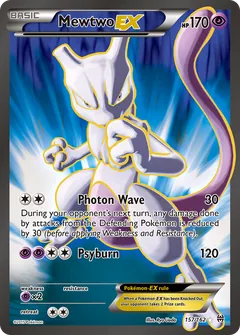
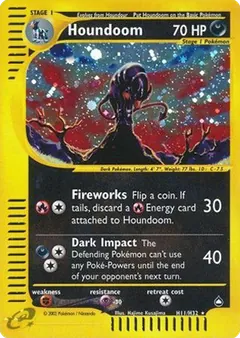
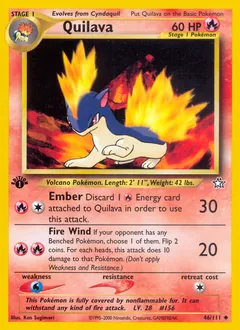
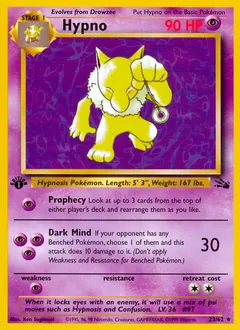











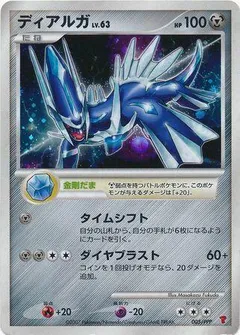
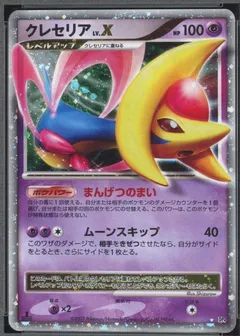
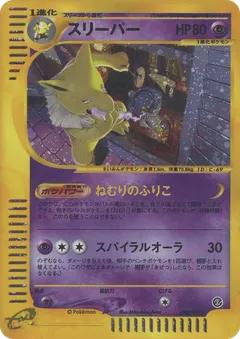
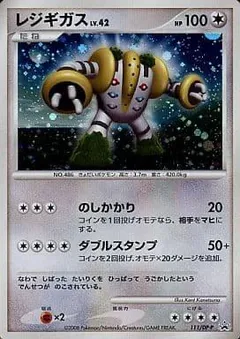


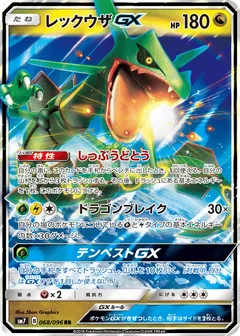

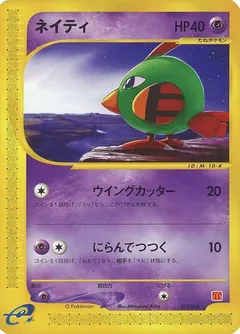

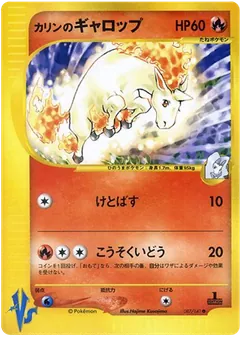
How we calculate it
Prices. Medians of recent recorded sales for each grade from eBay, Yahoo! Auctions JP and Mercari, converted to USD. Grades are never mixed. Every price counts only sales whose listing confirms this exact card, and the rankings go further still — a card only makes a “highest” or “lowest” list with enough independent evidence and a sane price ladder, so one stray listing can’t hijack the top spot. When a grade has no recorded sales we show a price-guide reference or an estimate, and label it.
Chances. We start from PSA’s population report for this exact card. Pop reports overstate the 10 rate, because people only send the copies they think are perfect. So our default takes about two thirds (65%) of the reported gem rate. Move the slider if your copy is flawless or off-centre.
Costs. PSA’s fee for the tier the card’s value at each grade requires (Standard covers up to $1,000; a $4,000 PSA 10 goes in at Super Express), plus about $15 shipping to PSA, $22 insured return and $5 of sleeves and supplies, split across the cards in your order. Selling fees (eBay: 13.25% + $0.40) come off every sale, raw or graded.
The answer. Expected value of grading minus what you’d net selling it raw today. The break-even gem rate is the chance of a 10 at which the two are equal. The PSA 9 check asks whether a 9 alone would still pay for itself.